₹13,000 price difference
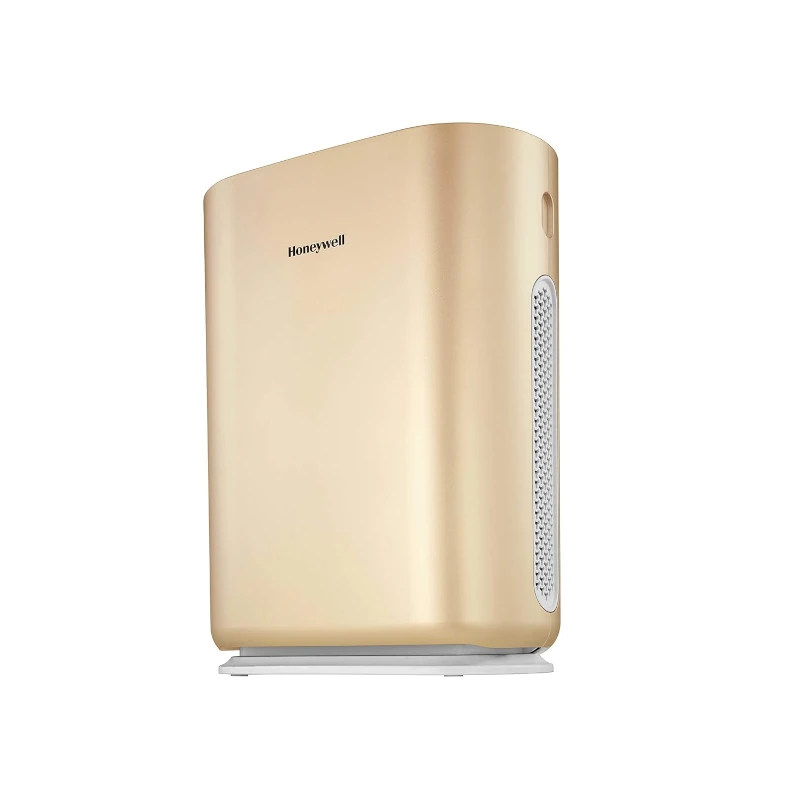
Honeywell Air Touch i8The Honeywell Air Touch i8 is 52% more affordable, saving you ₹13,000. This is a significant price gap that could be a deciding factor.

Honeywell
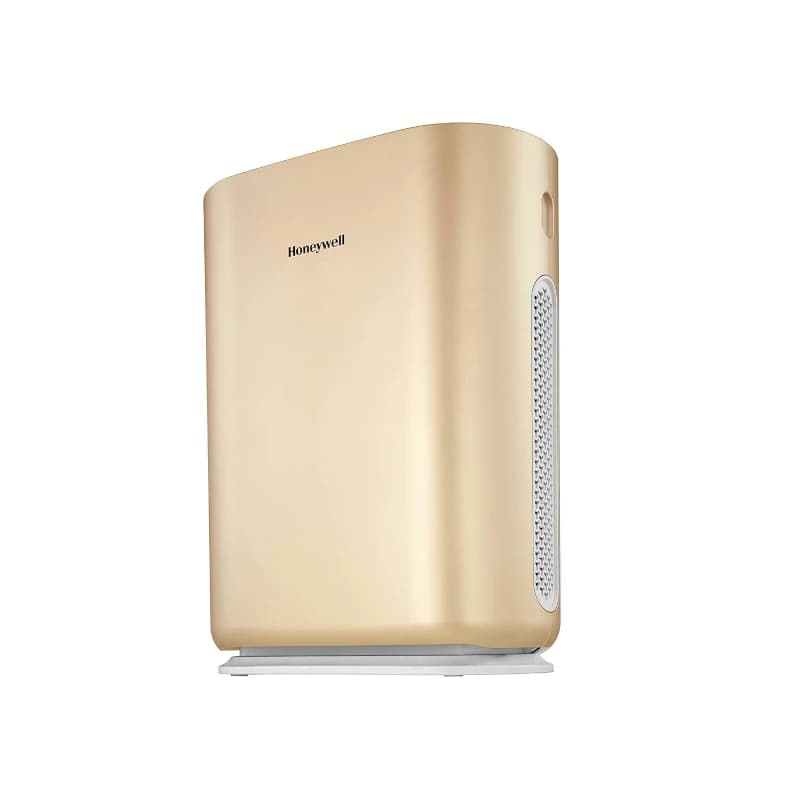
Honeywell Air Touch i8
₹11,999

Philips
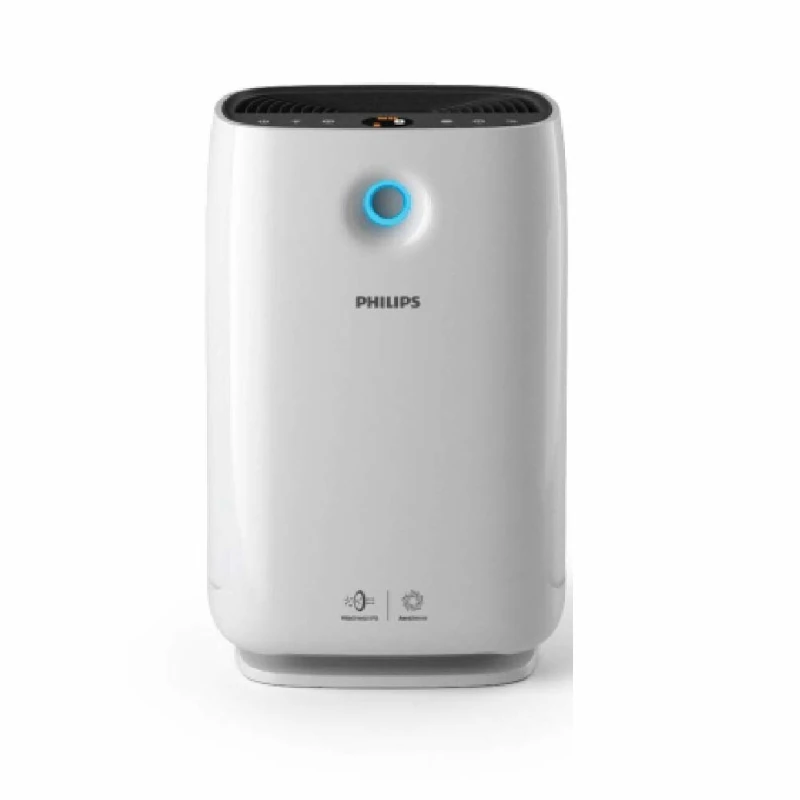
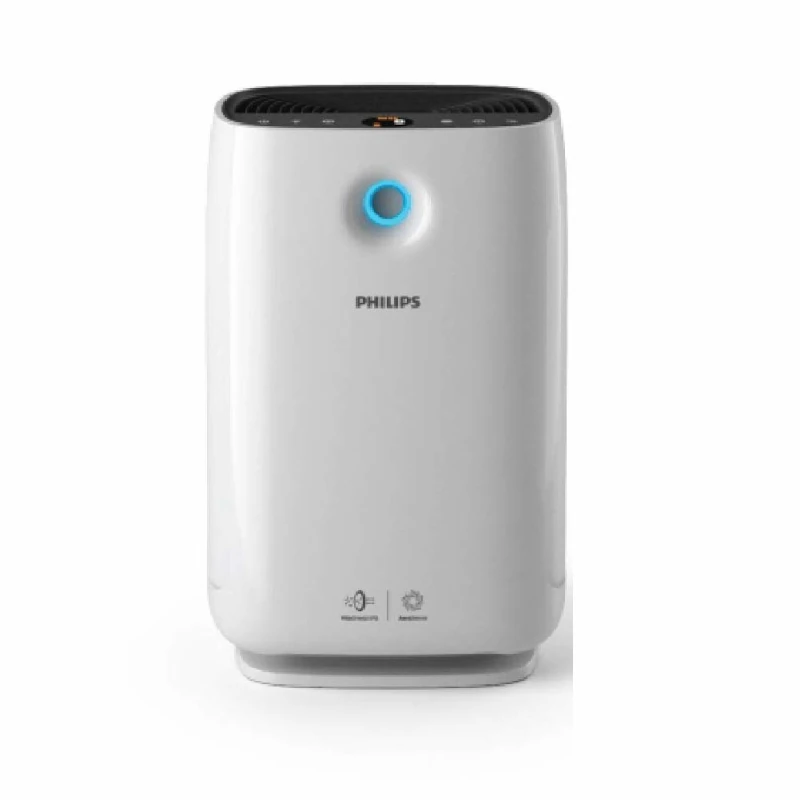
Philips AC2887/20
₹24,999
An in-depth comparison to help you choose the right air purifier for your needs.
Price gap
₹13,000
Score gap
11 pts
Rating gap
0.1
Editor's analysis
A hand-written take on how these two compare in the real world.
This matchup pits the premium Philips AC2887/20 at Rs 24,999 against the value champion Honeywell Air Touch i8 at Rs 11,999 - a Rs 13,000 gap. The Philips justifies its premium with 79 sq m coverage, quieter operation at 20.5 dB, and a real-time PM2.5 display. The Honeywell fights back with medical-grade H13 HEPA filtration and a higher CADR-to-price ratio. Both lack smart features, so this is purely about filtration performance vs budget.
Round by round
How each product stacks up across the key dimensions.
Product A
Honeywell Air Touch i8
2
wins
Product B
Philips AC2887/20
4
wins
₹11,999
₹24,999
4.2 / 5
4.3 / 5
84/100
95/100
Bestseller
Bestseller
300 m³/hr
333 m³/hr
42 sq m
79 sq m
Quick summary
This matchup pits the premium Philips AC2887/20 at Rs 24,999 against the value champion Honeywell Air Touch i8 at Rs 11,999 - a Rs 13,000 gap.
For pure value, the Honeywell Air Touch i8 is hard to beat - H13 medical-grade HEPA filtration at just Rs 11,999. But the Philips AC2887/20 is the superior product with nearly double the coverage, much quieter operation, and better build quality. If your budget allows, the Philips is worth the premium for large rooms.
Side by side
Each pick at a glance, what they include and what they cost.

Honeywell
Inclusive of all taxes
CADR (Clean Air Delivery Rate)
300 m³/hr
Coverage Area
42 sq m
Filter Type
Pre-filter + H13 HEPA + Activated Carbon
Noise Level
35-60 dB

Philips
Inclusive of all taxes
CADR (Clean Air Delivery Rate)
333 m³/hr
Coverage Area
79 sq m
Filter Type
HEPA + Activated Carbon
Noise Level
20.5-49 dB
Prices accurate as of 24/11/2025. Prices and availability on Amazon.in may change.
What sets them apart
The decisions you are actually making when you pick one over the other.
The Honeywell Air Touch i8 is 52% more affordable, saving you ₹13,000. This is a significant price gap that could be a deciding factor.
The Philips AC2887/20 leads in cadr (clean air delivery rate) with 333 m³/hr compared to 300 m³/hr.
The Philips AC2887/20 leads in coverage area with 79 sq m compared to 42 sq m.
The Philips AC2887/20 is more efficient in noise level with 20.5-49 dB compared to 35-60 dB.
The Honeywell Air Touch i8 is more efficient in power consumption with 55W compared to 56W.
Spec sheet
Side-by-side numbers with subtle highlighting on the stronger value.
| Specification | Honeywell Air Touch i8 | Philips AC2887/20 |
|---|---|---|
| Price | ₹11,999 | ₹24,999 |
| Rating | 4.2 / 5(2,156) | 4.3 / 5(1,456) |
| CADR (Clean Air Delivery Rate) | 300 m³/hr | 333 m³/hr |
| Coverage Area | 42 sq m | 79 sq m |
| Filter Type | Pre-filter + H13 HEPA + Activated Carbon | HEPA + Activated Carbon |
| Noise Level | 35-60 dB | 20.5-49 dB |
| Power Consumption | 55W | 56W |
| Warranty | 1 year | 2 years |
| Dimensions | 310 x 310 x 510 mm | 360 x 240 x 558 mm |
| Weight | 5.2 kg | 7.7 kg |
Highlighted cells indicate the stronger value in that row.
Strengths and tradeoffs
Where each pick shines, and where you'll have to compromise.
Excellent value
Excellent value
Decision guide
Pick the one that matches your priorities, not the spec sheet.
Choose
Honeywell Air Touch i8
If you want
Choose
Philips AC2887/20
If you want
Buying tip
The Honeywell's H13 HEPA filter is actually a higher medical grade than the Philips's standard HEPA. H13 captures 99.95% of particles at 0.1 microns vs 99.97% at 0.3 microns. For homes with allergy sufferers or asthma patients, the Honeywell's filter grade is medically superior despite the lower price.
Ready to decide?

Honeywell Air Touch i8
₹11,999
Quick answers
The Philips covers 79 sq m vs 42 sq m, runs significantly quieter (20.5 vs 35 dB minimum), and has a numerical PM2.5 display. If you have a large living room or need bedroom-quiet operation, yes. For a medium bedroom under 400 sq ft, the Honeywell delivers excellent filtration at half the price.
The Philips is significantly quieter at 20.5-49 dB vs Honeywell's 35-60 dB. The Philips sleep mode at 20.5 dB is practically inaudible, while the Honeywell's minimum 35 dB is noticeable in a quiet bedroom. For light sleepers, the Philips is the clear choice.
Technically, the Honeywell's H13 medical-grade HEPA is superior - it captures 99.95% of particles at 0.1 microns, while standard HEPA captures 99.97% at the larger 0.3 micron size. For severe allergies, the Honeywell's filter grade is actually better despite the lower price.