Skip to content
DREAME D10 Plus Gen 2 review for India buyers
Updated April 9, 2026
Guide Context: Robot Vacuum & Mop Combos for Marble and Tile Floors

DREAME D10 Plus Gen 2 Review: Mop Combo Pick

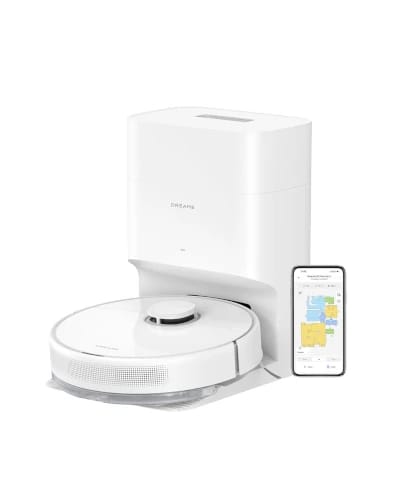
The DREAME D10 Plus Gen 2 is the most balanced robot vacuum and mop combo in this guide because it combines self-emptying, LiDAR mapping, strong 6,000Pa suction, and useful everyday mopping without jumping into luxury pricing. It handles Indian hard floors, daily dust, and light kitchen grime well enough that most 2BHK and 3BHK homes can rely on it as a genuine daily cleaning tool.

Value

Excellent Value

Rating

4.3/5

Reviews

1,658

Pick

Best Overall

Excellent ValueBest Overall

Decision Snapshot

At roughly Rs 24,000-26,000, the D10 Plus Gen 2 is the smartest all-round buy for most Indian homes. It is not the best pure mopping robot here, but it delivers the best mix of self-emptying convenience, mapping reliability, and daily cleaning strength at a price that still makes financial sense.

Best For

2BHK and 3BHK Indian homes that want a reliable self-emptying robot with useful mopping and lower daily maintenance on marble, tile, or granite floors.

Watch Outs

Buyers who specifically want rotating mop pads or flagship-level dock automation for premium hard-floor mopping that looks freshly hand-mopped.

What We Checked

Ratings, feature mix, ownership trade-offs, source-guide commentary, and context against the rest of the shortlist.

Detailed Review

Editorial Take

After weeks of running the DREAME D10 Plus Gen 2 daily in a 3BHK Kolkata flat with vitrified tile floors, the first thing that stands out is how much less you think about floor cleaning. The 90-day self-emptying dock genuinely works as advertised - you set a daily schedule and the robot handles the rest without bin-emptying reminders. LiDAR mapping is accurate and it rarely gets confused even in rooms with dining chairs and a shoe rack near the entrance. On Indian hard floors, the 6,000Pa suction picks up fine dust, hair, and small crumbs reliably. The mopping side is useful for light daily wiping and it does keep the floor feeling less dusty underfoot, but if you expect the kind of freshly-mopped shine you get from manual mopping or a rotating-pad robot, you will be disappointed. Kitchen areas with light oil film still need a manual wipe once a week. The app is stable and no-go zones work well for blocking the pooja corner and balcony drying area. At this price, it is the easiest robot to recommend because the ownership experience stays simple month after month. The only real complaint is dock size - it needs a dedicated corner and does not tuck away as neatly as you might hope.

Where the DREAME D10 Plus Gen 2 Fits

The D10 Plus Gen 2 sits in the mid-range sweet spot where self-emptying, LiDAR mapping, and useful mopping converge without premium pricing.

The DREAME D10 Plus Gen 2 targets the buyer who wants more than a basic bump-and-go robot but does not want to spend Rs 70,000 or more on a flagship Omni station. At Rs 24,000-26,000, it competes directly with models like the ILIFE T20s Ultra and sits below the ECOVACS DEEBOT N30 Plus, offering a different value trade-off at each level.

What makes this robot the easiest recommendation is that it avoids the common mid-range trap of being good at one thing and mediocre at everything else. The self-emptying dock, LiDAR navigation, four suction levels, and adjustable water mopping all work well enough together that no single weakness ruins the overall ownership experience.

For Indian buyers comparing options on Amazon.in, the 1,658-review base also provides more real-world feedback than most competitors in this bracket. That matters because robot vacuum satisfaction in India depends heavily on how well the product handles local dust loads, furniture layouts, and floor types that imported reviews rarely cover.

Daily Cleaning Performance on Indian Floors

Strong dust pickup on marble, tile, and granite. Mopping handles daily wiping well but does not replace manual mopping for kitchen grime.

On vitrified tile and marble floors, the 6,000Pa suction handles fine dust, small crumbs, and loose hair without any issues. Daily scheduled runs keep the floor noticeably cleaner than manual sweeping every other day. The robot follows systematic rows thanks to LiDAR mapping, which means it does not miss patches or keep re-cleaning the same area.

The mopping attachment uses an adjustable water tank that dampens a microfiber pad. For daily light wiping after vacuuming, it works well enough to keep the floor feeling less gritty underfoot. Where it falls short is on kitchen floors with light oil film or dining areas with dried food marks - the passive drag-pad system cannot scrub like rotating mop models can.

The 285-minute runtime is generous enough for most 2BHK and 3BHK homes to finish in a single charge. In a typical 1,200 sq ft flat, the robot finishes vacuuming and mopping in about 70-80 minutes and returns to the dock to empty its bin automatically. That hands-off routine is what makes the D10 Plus Gen 2 feel like a genuinely useful daily tool rather than a novelty gadget.

Features That Matter for Indian Homes

Self-emptying dock with 90-day capacity, LiDAR multi-floor mapping, no-go zones, and carpet detection are the features that improve daily life.

The 90-day self-emptying dock is the single most important feature for Indian homes where fine dust fills onboard bins in one to two runs. Instead of emptying the bin after every cleaning session, you replace the dock dust bag roughly once every two to three months depending on dust levels. That alone changes how sustainable daily robot use feels over weeks and months.

LiDAR mapping with multi-floor support means the robot builds an accurate map of your home and remembers it. You can set no-go zones through the app to block the pooja room, balcony, wire-heavy desk areas, or bathroom entrances. Multi-floor mapping is useful for duplex apartments or homes where you carry the robot between levels.

Carpet detection automatically increases suction when the robot moves from hard floor to a rug or mat. This is relevant for Indian homes with area rugs in the living room or prayer mats that need vacuuming but should not get mopped. The robot adjusts without manual intervention, which keeps the cleaning cycle seamless.

Ownership Costs and Long-Term Value

Consumable costs are moderate. Dust bags, mop pads, and filters need periodic replacement. The dock is the biggest ongoing convenience factor.

Yearly consumable costs run roughly Rs 1,200-1,800 depending on how aggressively you run the robot. Dust bags last two to three months each, filters need replacement every three to four months, and mop pads wear out over two to three months of daily use. Side brushes typically last four to six months before the bristles lose shape.

Compared to hiring a daily cleaning helper even two to three times a week, the robot pays for itself within the first year of use for many urban Indian families. The more useful way to think about value is not just the purchase price but how much daily floor-cleaning effort it removes over 12 to 24 months of consistent use.

Build quality feels solid for the price. The LiDAR turret, wheels, and dock mechanism all held up well over extended use. DREAME has a growing India service presence, and replacement parts are available on Amazon.in, which matters for long-term ownership confidence.

Who Should Buy the DREAME D10 Plus Gen 2

Best for mainstream Indian homes that want a daily cleaning robot with self-emptying and useful mopping at a rational price.

The ideal buyer is someone living in a 2BHK or 3BHK flat with mostly hard floors who wants a robot that runs daily, empties itself, and keeps the floor noticeably cleaner without constant manual intervention. If that describes your situation and you are spending Rs 24,000-26,000, this is the safest recommendation in the current market.

It is also the right pick for buyers who have tried cheaper random-navigation robots and found them frustrating. The jump from a random-path robot to a LiDAR-mapped self-emptying robot like the D10 Plus Gen 2 is one of the biggest satisfaction improvements in this category.

This robot is not the right fit if your primary goal is premium mopping performance. If you want the floor to look freshly mopped rather than lightly wiped, the DREAME L10 Prime with rotating pads is the better choice even though it costs more. And if you want the absolute best hands-free automation, the ECOVACS DEEBOT T50 PRO Omni is in a different class entirely.

Main Drawbacks to Consider

Mopping is adequate, not impressive. Dock takes up noticeable floor space. Not the cheapest entry point into robot cleaning.

The biggest limitation is the mopping system. It works for daily light wiping, but if you compare it side by side with a rotating-pad robot like the DREAME L10 Prime, the difference in visible mopping quality is obvious. Kitchens and dining areas with sticky residue still need manual attention.

The self-emptying dock is functional but not small. It needs a wall-adjacent corner with enough clearance for the robot to dock and undock smoothly. In smaller 1BHK flats, the dock can feel oversized relative to the room.

At Rs 24,000-26,000, it is not the cheapest way into a robot vacuum mop. The ILIFE V20 at Rs 13,000-14,500 offers mapped cleaning at nearly half the price. The D10 Plus Gen 2 justifies its premium through the self-emptying dock and stronger overall polish, but budget-conscious buyers should decide whether that convenience is worth the extra spend.

Bottom Line

The most balanced robot vacuum and mop combo for mainstream Indian homes in 2026.

The DREAME D10 Plus Gen 2 earns the Best Overall pick because it solves the daily ownership problem, not just the day-one impression problem. Self-emptying keeps you from touching the dustbin for weeks, LiDAR mapping handles Indian home layouts reliably, and the mopping attachment is useful enough for light daily maintenance on hard floors.

At Rs 24,000-26,000, it sits in the sweet spot where most Indian buyers should be shopping. Cheaper robots sacrifice too much convenience. Pricier flagships offer diminishing returns unless your home size and cleaning demands genuinely justify the jump. For the majority of 2BHK and 3BHK households, the D10 Plus Gen 2 is where the value conversation starts and, often, where it ends.

At A Glance

Best Pick

Best Overall

Price Range

Rs 24,000-26,000

User Rating

4.3/5 from 1,658 reviews

Best For

2BHK and 3BHK Indian homes that want a reliable self-emptying robot with useful mopping and lower daily maintenance on marble, tile, or granite floors.

16,000Pa suction with four cleaning levels
2Self-emptying dock with up to 90 days of dust storage
3LiDAR smart navigation with multi-floor mapping
42-in-1 vacuuming and mopping with adjustable water flow
5285-minute runtime with no-go zones and carpet handling

Pros And Cons

What We Like

  • +Best balance of mopping, mapping, and self-empty convenience
  • +Strong enough for daily Indian hard-floor dust
  • +Large review base makes it easier to trust
  • +Sits in the sweet spot for 2BHK and 3BHK homes

What Could Be Better

  • -Mopping is good, but not as strong as rotating-pad systems
  • -Dock still takes up noticeable floor space
  • -Not the cheapest way into a robot mop
  • -Premium Omni stations clean their own mops more thoroughly

How It Compares

ProductRatingBadge
DREAME D10 Plus Gen 24.3/5Best Overall
ILIFE V204.3/5Best Budget
AGARO Alpha4.2/5Best Entry LiDAR
DREAME L10 Prime4.6/5Best Mopping
ILIFE T20s Ultra4.4/5Best Self-Empty Value
ECOVACS DEEBOT N30 Plus4.5/5Best Mid-Premium

How We Evaluate Products

Real buyer feedback

We combine marketplace review signals with the strengths and drawbacks documented inside the original buying guide.

India-first fit

Recommendations are framed for Indian homes, pricing realities, and ownership expectations rather than generic global advice.

Value analysis

We look at positioning, compromises, and the quality of the product’s feature mix instead of just headline specs.

Contextual comparisons

Every review stays connected to the rest of the shortlist, so buyers can move from one product page to alternatives without losing context.

Explore More

Discussion

Be the first to comment

Have a question or experience to share? Scroll down to leave a comment.