₹2,000 price difference
Xiaomi Air Purifier 3HThe Xiaomi Air Purifier 3H is 12% more affordable, saving you ₹2,000. Both are within a similar price range.

Blueair
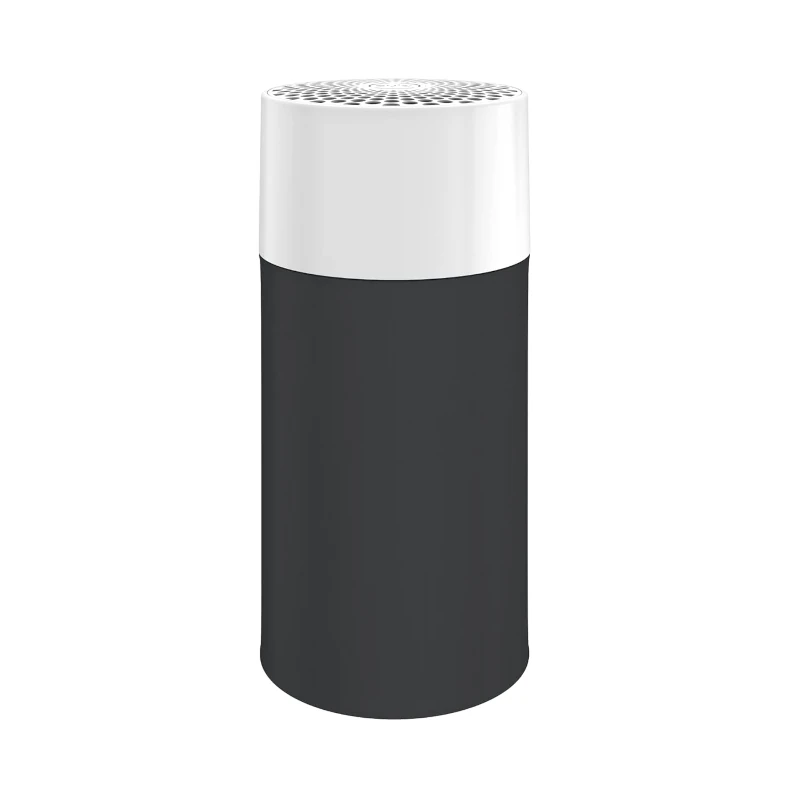
Blueair Blue Pure 411
₹16,999

Xiaomi
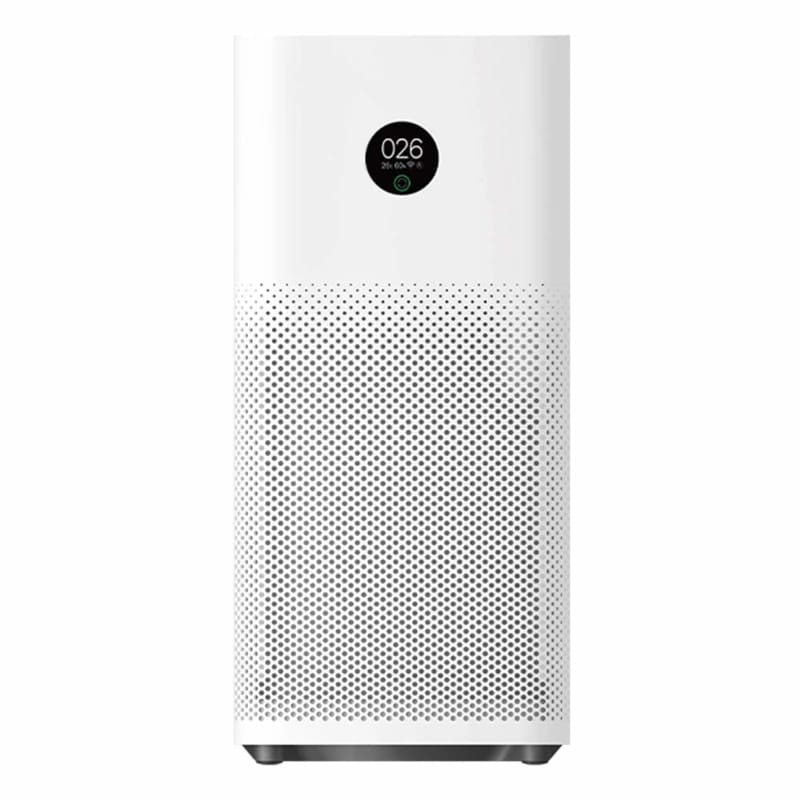
Xiaomi Air Purifier 3H
₹14,999
An in-depth comparison to help you choose the right air purifier for your needs.
Price gap
₹2,000
Score gap
1 pts
Rating gap
0.1
Editor's analysis
A hand-written take on how these two compare in the real world.
Two highly rated purifiers at similar prices - Xiaomi 3H at Rs 14,999 vs Blueair Blue Pure 411 at Rs 16,999. The Xiaomi wins on smart features (app, voice control) and CADR (380 vs 350 m3/hr). The Blueair wins on noise (17 vs 32 dB), energy efficiency (10W vs 38W), and portability (1.52 vs 4.8 kg). Both cover similar areas for medium rooms. This is smart connectivity vs whisper-quiet efficiency.
Round by round
How each product stacks up across the key dimensions.
Product A
Blueair Blue Pure 411
1
wins
Product B
Xiaomi Air Purifier 3H
5
wins
₹16,999
₹14,999
4.6 / 5
4.5 / 5
89/100
90/100
756 reviews
Bestseller
350 m³/hr
380 m³/hr
38 sq m
45 sq m
Quick summary
Two highly rated purifiers at similar prices - Xiaomi 3H at Rs 14,999 vs Blueair Blue Pure 411 at Rs 16,999.
The Xiaomi 3H is the better overall value with higher CADR, smart features, and Rs 2,000 savings. The Blueair Blue Pure 411 is for buyers who prioritize absolute silence and ultra-low energy consumption above everything else - its 17 dB and 10W specs are unmatched by any competitor.
Side by side
Each pick at a glance, what they include and what they cost.

Blueair
Inclusive of all taxes
CADR (Clean Air Delivery Rate)
350 m³/hr
Coverage Area
38 sq m
Filter Type
HEPASilent Technology
Noise Level
17-46 dB

Xiaomi
Inclusive of all taxes
CADR (Clean Air Delivery Rate)
380 m³/hr
Coverage Area
45 sq m
Filter Type
True HEPA
Noise Level
32-64 dB
Prices accurate as of 24/11/2025. Prices and availability on Amazon.in may change.
What sets them apart
The decisions you are actually making when you pick one over the other.
The Xiaomi Air Purifier 3H is 12% more affordable, saving you ₹2,000. Both are within a similar price range.
The Xiaomi Air Purifier 3H leads in cadr (clean air delivery rate) with 380 m³/hr compared to 350 m³/hr.
The Xiaomi Air Purifier 3H leads in coverage area with 45 sq m compared to 38 sq m.
The Blueair Blue Pure 411 is more efficient in noise level with 17-46 dB compared to 32-64 dB.
The Blueair Blue Pure 411 is more efficient in power consumption with 10W compared to 38W.
Spec sheet
Side-by-side numbers with subtle highlighting on the stronger value.
| Specification | Blueair Blue Pure 411 | Xiaomi Air Purifier 3H |
|---|---|---|
| Price | ₹16,999 | ₹14,999 |
| Rating | 4.6 / 5(756) | 4.5 / 5(2,345) |
| CADR (Clean Air Delivery Rate) | 350 m³/hr | 380 m³/hr |
| Coverage Area | 38 sq m | 45 sq m |
| Filter Type | HEPASilent Technology | True HEPA |
| Noise Level | 17-46 dB | 32-64 dB |
| Power Consumption | 10W | 38W |
| Warranty | 1 year | 1 year |
| Dimensions | 200 x 200 x 425 mm | 240 x 240 x 520 mm |
| Weight | 1.52 kg | 4.8 kg |
Highlighted cells indicate the stronger value in that row.
Strengths and tradeoffs
Where each pick shines, and where you'll have to compromise.
Excellent value
Excellent value
Decision guide
Pick the one that matches your priorities, not the spec sheet.
Choose
Blueair Blue Pure 411
If you want
Choose
Xiaomi Air Purifier 3H
If you want
Buying tip
If you run your air purifier 24/7 (recommended during pollution season), the Blueair's 10W vs Xiaomi's 38W saves roughly Rs 70/month in electricity. Over a 5-month pollution season, that is Rs 350. Not enough to offset the Rs 2,000 price premium, but combined with the near-zero noise, it becomes a lifestyle choice.
Ready to decide?

Blueair Blue Pure 411
₹16,999
Quick answers
Buy the Xiaomi 3H if you want smart home integration, higher CADR, and to save Rs 2,000. Buy the Blueair Blue Pure 411 if you are a light sleeper who needs the quietest possible operation (17 dB), or if minimizing electricity consumption is a priority.
The Blueair is dramatically quieter. Its 17 dB minimum is below the threshold of human hearing for most people - truly silent. The Xiaomi's 32 dB minimum is equivalent to a quiet library, which is good but audible. For sleep-sensitive users, the Blueair is in a different league.
Blueair's HEPASilent technology uses electrostatic charging to reduce air resistance through the filter. This means a smaller, slower fan can achieve similar filtration results. The Xiaomi uses conventional mechanical filtration requiring more fan power. The technology difference explains the 10W vs 38W gap.