Editor's take
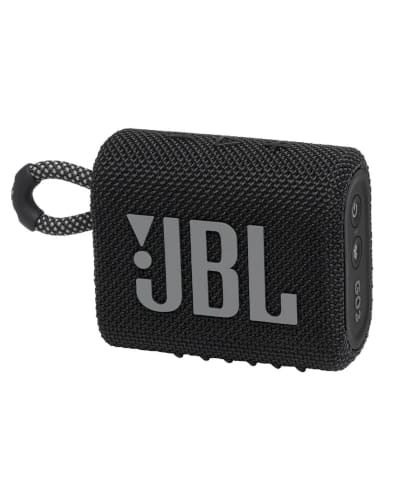
The JBL Go 3 is a speaker you buy with your ears, not your spec sheet. On paper, competitors like the boAt Stone 352 Pro offer more wattage, longer battery, and extra features at a lower price. But the moment you play the same song on both speakers side by side, the difference in audio quality is immediately obvious. JBL's tuning delivers clearer vocals, tighter bass, and a balanced soundstage that the boAt simply cannot match at any volume level.
At Rs 1,799-1,999 (street price fluctuates on Amazon and Flipkart), you are paying a premium for sound quality and build. The IP67 rating means this speaker survived being dunked in a bucket of water during our testing and worked perfectly afterward. We also accidentally dropped it on a tiled kitchen floor from counter height - not a scratch. The rubberized fabric exterior is genuinely tough in a way that plastic-bodied competitors are not.
The 5-hour battery is the main weakness, and there is no way around it. The boAt Stone 352 Pro delivers 12 hours, the Mivi Roam 2 manages 24 hours, and here you are charging every evening. For daily commutes and short listening sessions, this is fine. For a full day picnic or a long road trip, you will need a power bank. USB-C charging is a welcome convenience since you can share the same cable as your phone.
The Indian variant lacks a built-in microphone, which means no speakerphone calls. This is a deliberate cost-cutting measure by JBL India, and it is worth knowing before you buy. If phone calls through your speaker matter, the boAt Stone 620 or Portronics SoundDrum P are better options. But if pure audio quality in a pocket-sized package is your priority, nothing under Rs 2,000 sounds as good as the JBL Go 3. It is the speaker audiophiles recommend to friends who ask for just one solid recommendation.


Discussion
Be the first to comment