Smart Home - Guest post
Smart Home Appliances That Actually Save Electricity in India
Muni7 min read
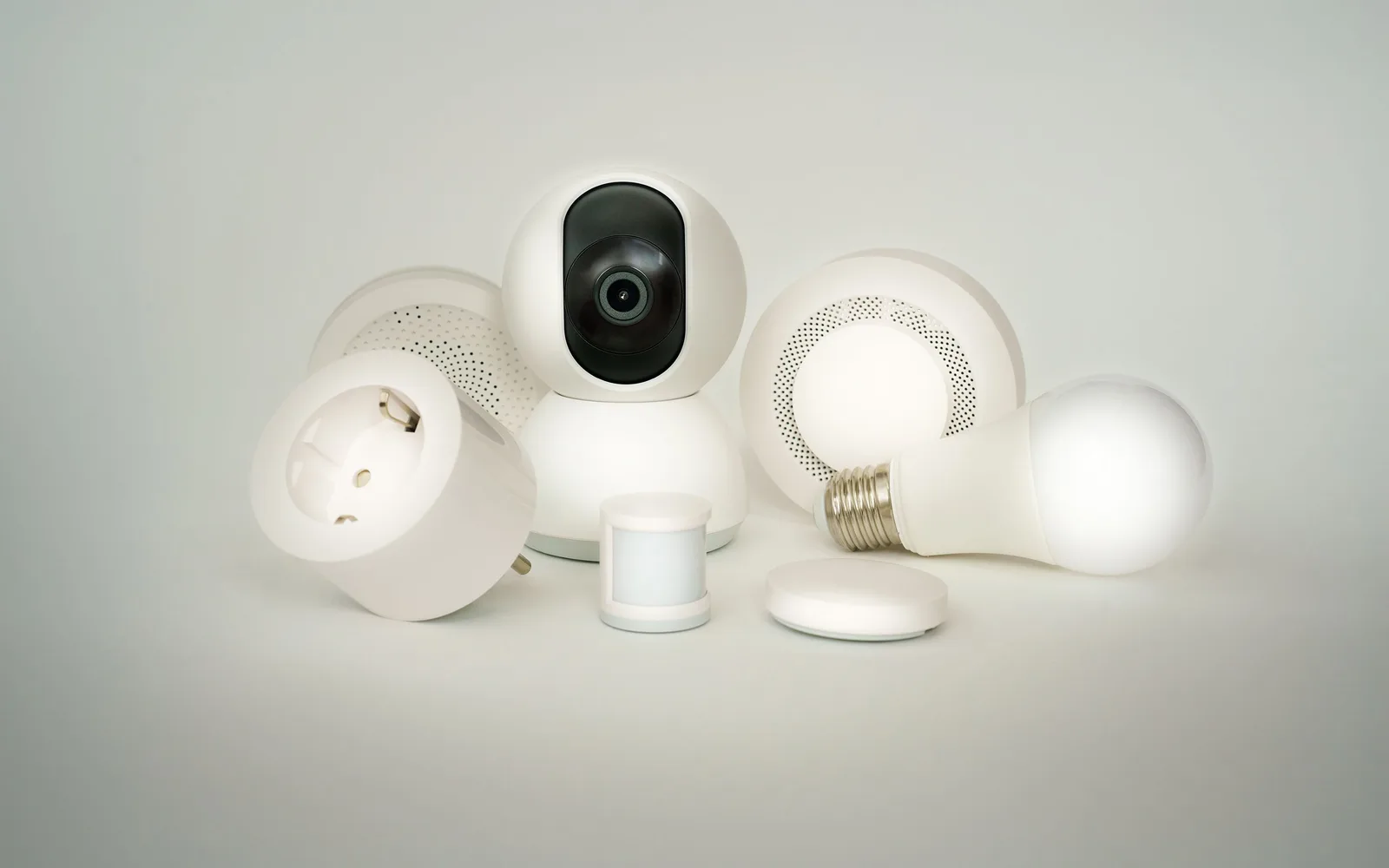
Walk into any electronics store today and half the products have smart printed somewhere on the box. You can switch a bulb on from your phone, start the AC while you are still stuck in traffic, or check how many units your TV used last week through a small plug in the wall.
But here is the thing I have noticed while researching and writing about home appliances: smart does not always mean energy saving. Some of these gadgets genuinely cut down wasted electricity. Many others simply make life more convenient without doing much for your bill.
In most Indian homes, the big consumers are the AC, geyser, refrigerator and a few kitchen appliances. So the smart upgrade that actually pays off is usually the one that controls one of these heavy users at the right time.
How smart devices really save power
A smart device does not make an appliance efficient on its own. It usually helps in one of three ways: it switches something off when nobody needs it, runs the appliance on a better schedule, or shows you usage numbers that encourage you to change a habit.
That is worth keeping in mind before buying anything.
If an appliance already runs efficiently and is used sensibly, adding WiFi control will not automatically reduce the electricity bill. But if something in your home is regularly left running unnecessarily, better control can make a meaningful difference. That single idea sits behind every worthwhile smart home electricity saving setup.
1. Smart plugs with energy monitoring
A basic smart plug lets you turn an appliance on or off from your phone. The more useful models also measure how much power the appliance is drawing and how many units it consumes over time.
Most families know that an appliance uses electricity, but very few know exactly how much. A monitoring plug fills that gap.
You can compare a television watched for four hours with one left on standby all day, or see what your work from home desk setup costs over a week.
For me, the real benefit of these plugs is the visibility, not simply the remote switching. Once you can see the actual numbers, it becomes much easier to decide whether changing a routine is worth the effort.
These plugs are generally better suited to low and medium load items such as lamps, televisions, routers and smaller appliances. If you are picking one, the 10A versus 16A smart plug question matters more than the app.
2. Smart AC controls and scheduling
This is where automation starts to become more useful, especially in cities like Chennai where air conditioners may be used for a large part of the year.
Many modern inverter ACs already include timers, sleep modes and WiFi control. For compatible older ACs, smart infrared controllers can sometimes provide similar scheduling features.
The point is not simply being able to switch the AC on from another room.
It is avoiding unnecessary runtime.
For example, you can set a bedroom AC to reduce cooling later in the night rather than maintaining the same aggressive setting until morning. A home office AC can switch off automatically at the end of the working day.
And if you realise after leaving home that the AC is still running, remote control can help you switch it off.
Automation should still be combined with sensible temperature settings. Even a 5 star AC can consume far more electricity than necessary if it is consistently run at very low temperatures.
3. Smart geyser timers
Electric storage geysers draw substantial power while the heating element is operating, and many households have the habit of switching one on and forgetting about it.
A timer can solve this quite neatly.
If your family follows a regular morning routine, the geyser can be scheduled to heat water shortly before bath time and switch off afterwards rather than remaining on much longer than necessary. The practical wiring and scheduling side of automating a geyser safely is worth reading before you buy any hardware.
Safety is especially important here.
A geyser is a high load appliance, so any smart switch, relay or contactor used with it should be properly rated for the electrical load. Installation should follow the manufacturer instructions and, where appropriate, be handled by a qualified electrician.
The idea is to reduce unnecessary heating time, not take shortcuts with electrical safety.
4. Smart power strips for TV and work setups
A television on its own may not look like a major source of wasted electricity.
But look at everything connected around it: a set top box, soundbar, gaming console, streaming device or other accessories.
A home office desk can be similar, with a monitor, speakers, chargers and peripherals all plugged in.
A smart power strip lets you switch off the entire group together when you are finished. Many models also support schedules or individual socket control.
Its biggest advantage is convenience. You no longer have to remember four or five separate switches every night.
The saving from each device may be small, but reducing unnecessary standby consumption across several devices can still add up over time.
5. Smart lighting with schedules and sensors
Lighting is probably one of the easiest parts of a home to automate.
Smart bulbs can be useful, but they are not always the cheapest way to reduce electricity waste. In many rooms, a normal LED paired with a timer, smart switch or motion sensor can achieve the same goal: making sure lights are not left on when nobody needs them.
This works particularly well in corridors, staircases, utility areas, balconies and bathrooms, where lights are often forgotten. The same logic applies to false ceiling downlights, which tend to be switched on in banks and left running.
Outdoor lighting is another good example.
Instead of someone switching the lights on in the evening and forgetting about them until morning, they can follow a fixed schedule or operate through a sensor.
The real saving comes from reducing unnecessary operating time, not from the smart label itself.
6. Whole home energy monitoring
A whole home energy monitor takes the smart plug idea to the next level.
Instead of tracking one socket, these systems can monitor electricity use at the electrical panel or circuit level, depending on the product and installation.
If your electricity bill suddenly increases and you cannot work out why, this type of monitoring can help identify patterns.
It may be heavier AC use, an appliance running for longer than expected, or simply a change in the household routine.
Some systems also show usage by time of day, which can make unusual spikes easier to investigate.
Like a smart plug, an energy monitor does not reduce electricity use on its own. What it does is turn an invisible cost into information you can actually act on.
Before spending on automation, it is worth checking what an appliance already costs to operate. A simple electricity cost calculator can help with this. Enter the appliance wattage, daily usage hours and your electricity rate to get a rough idea of the monthly running cost.
That makes it easier to judge whether automating a particular appliance is worth the expense.
Where smart does not mean savings
It is easy to pay extra for smart features that have little effect on electricity use.
A refrigerator with a touchscreen and app alerts is not automatically cheaper to run than a simpler refrigerator.
A WiFi washing machine may be convenient, but being connected to the internet does not make every wash cycle more efficient.
Voice control is another example.
Asking a smart speaker to switch off a light is handy, but a normal LED switched off manually uses just as little electricity.
If your real goal is reducing the bill, look at the basics first: appliance efficiency, correct capacity and how much you actually expect to use it.
For products covered by India's energy labelling programme, the BEE star label is usually far more useful for comparing efficiency than the number of smart features printed on the box.
What to check before you buy
Start with the appliance you want to control.
How much power does it draw? How many hours does it normally run? Is it regularly left on when nobody needs it?
Then check the smart device itself.
Its voltage and current rating must be suitable for the intended load. High power appliances may require dedicated control equipment rather than an ordinary plug in socket.
Also think about what happens if your WiFi goes down.
Can you still control the appliance manually? Do programmed schedules continue working locally, or does everything depend on an internet connection?
Software support matters too.
If a connected product depends completely on a manufacturer cloud service, some of its smart features may stop working if that service is discontinued years later.
Finally, do the simple maths.
Spending several thousand rupees to avoid a very small amount of electricity consumption may not make financial sense.
Efficiency first, automation second
Smart controls work best when the appliance underneath is already suitable for the job.
Automating an incorrectly sized AC will not fix the sizing problem, which is why it is worth running the numbers through an AC size calculator for Indian rooms before you buy anything connected.
Adding WiFi to an old, inefficient refrigerator will not suddenly make the refrigerator efficient.
When buying something new, first think about capacity, energy efficiency and expected running cost.
BEE star labels can help compare similar appliances. Once you have chosen an appropriately sized and efficient product, smart features can then help reduce waste in daily use.
That order matters.
Efficiency first, automation second.
A simple rule for Indian homes
The best smart home upgrade for saving electricity is rarely the flashiest gadget.
It is usually the one connected to an appliance that uses a meaningful amount of power and often runs when it does not need to.
For one family, that may be an AC schedule.
For another, it may be a geyser timer.
A work from home setup might benefit most from a smart power strip, while a household confused by a high electricity bill may gain more from energy monitoring.
Measure first, then automate the waste you can actually find.
It is not as exciting as filling the house with connected gadgets, but it is the approach most likely to eventually show up as a smaller number on your electricity bill.
Quick answers
FAQ: smart appliances and electricity savings in India
Do smart home appliances actually reduce the electricity bill in India?
Some do, most do not on their own. A smart device does not make an appliance efficient. It saves electricity in one of three ways: it switches something off when nobody needs it, it runs the appliance on a better schedule, or it shows you usage numbers that push you to change a habit. If an appliance already runs sensibly, adding WiFi control will not reduce the bill.
Which smart device saves the most electricity in an Indian home?
The one attached to a heavy user that is regularly left running. In most Indian homes that means the AC, the geyser or the refrigerator. A geyser timer and an AC schedule usually pay back faster than smart bulbs, because the underlying appliance draws far more power in the first place.
Can I plug an AC or geyser into an ordinary smart plug?
No. An ordinary plug in smart socket is rated for low and medium loads such as lamps, televisions, routers and smaller appliances. An AC, geyser or induction cooktop needs a switch, relay or contactor specifically rated for that load, installed to the manufacturer instructions and, where appropriate, by a qualified electrician.
Are smart bulbs the cheapest way to cut a lighting bill?
Often not. In corridors, staircases, balconies, bathrooms and utility areas, a normal LED paired with a timer, a smart switch or a motion sensor achieves the same goal for less money. The saving comes from cutting unnecessary running time, not from the smart label itself.
Does a BEE 5 star rating matter more than smart features?
For products covered by India's energy labelling programme, yes. The BEE star label is a far more useful comparison of running efficiency than the number of connected features printed on the box. Choose the right capacity and star rating first, then add automation to cut waste in daily use.
What happens to my smart devices if the WiFi goes down?
It depends on the product. Check before you buy whether you can still operate the appliance manually, and whether programmed schedules keep running locally or stop the moment the internet drops. A device that depends entirely on a manufacturer cloud service can also lose features years later if that service is discontinued.
Featured image: photo by Jakub Zerdzicki via Pexels, used under the Pexels licence.