Google Nest Learning Thermostat 4th Gen review for USA buyers
Updated April 7, 2026

Google Nest Learning Thermostat 4th Gen Review: USA Pick

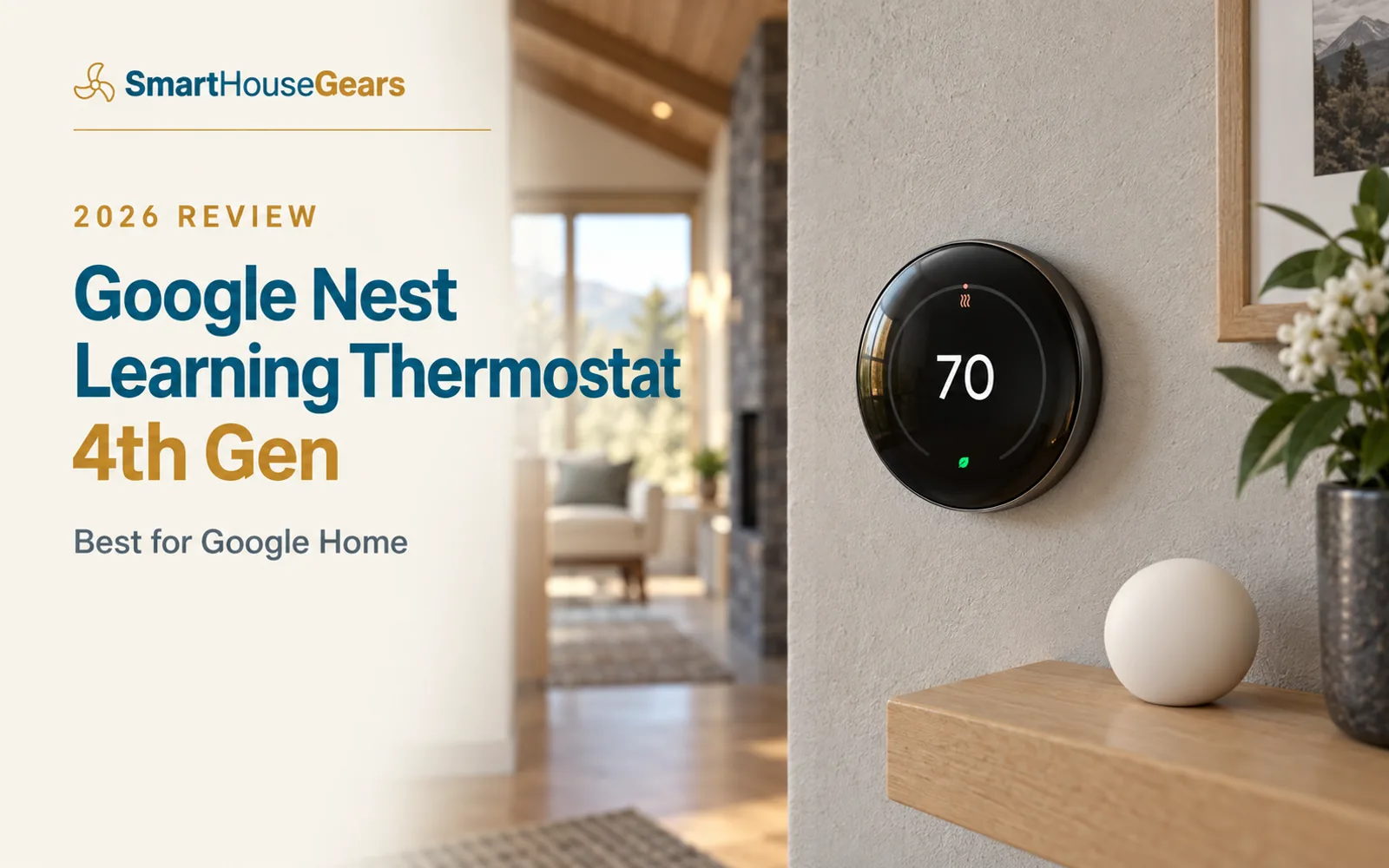
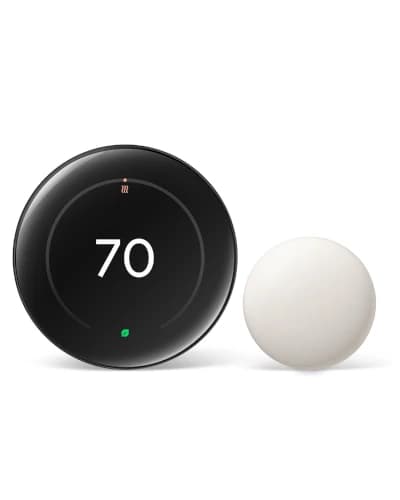
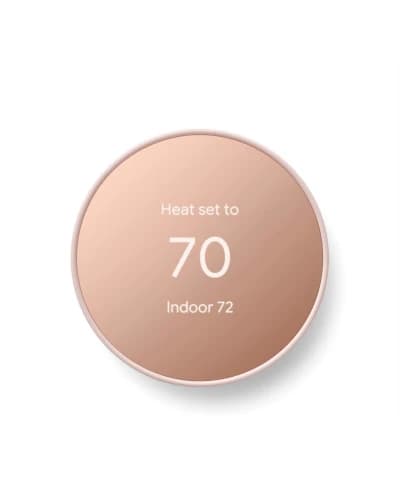
The Google Nest Learning Thermostat 4th Gen is the premium smart thermostat for Google Home households. It includes a Nest Temperature Sensor, supports Matter for broader compatibility, features auto-learning scheduling, and has a refined borderless dome display that looks better on the wall than any competitor.

Value

Great Value

Rating

4.6/5

Reviews

387

Pick

Best for Google Home

Great ValueBest for Google Home

Decision Snapshot

This is the safest premium thermostat for Google Home users. The included sensor, polished design, and learning automation create a package that feels complete out of the box. The price is high, but the experience justifies it for households that value design and Google ecosystem integration.

Best For

Google Home households, design-conscious buyers who want a premium wall presence, and homeowners who want an included room sensor with auto-learning comfort automation.

Watch Outs

Budget buyers, Apple HomeKit households, or buyers who want the broadest cross-platform flexibility and deepest feature set (the ecobee Premium does more).

What We Checked

Ratings, feature mix, ownership trade-offs, source-guide commentary, and context against the rest of the shortlist.

Detailed Review

Editorial Take

The Nest 4th Gen is the thermostat that needs the fewest explanations for Google Home users. The borderless dome display looks premium from across the room. The included Nest Temperature Sensor solves the room-balancing problem without requiring an extra purchase. And the learning algorithm, now in its fourth generation, adapts to your schedule within about 10 days. In a two-story colonial test home, placing the Nest sensor in the upstairs master bedroom improved overnight comfort noticeably. The main-floor hallway read 71 degrees while the bedroom hovered at 75 to 76 without the sensor. With the sensor active and set to prioritize the bedroom at night, the system adjusted cooling cycles to target the room that actually mattered for sleep comfort. Matter support makes the 4th Gen more flexible than older Nest models. While it still works best within Google Home, Matter enables basic control from other platforms. This is a meaningful improvement for buyers who use Google primarily but have Apple or Samsung devices in the house. The combination of design, sensor, learning, and Matter makes this the most well-rounded Google thermostat available.

Where the Nest 4th Gen Fits in the Market

The premium Google Home thermostat with the best design and included sensor at $250-$280.

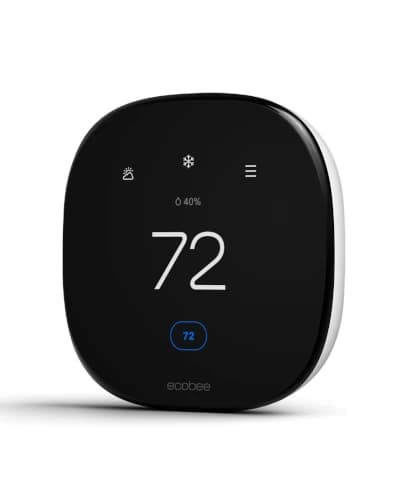
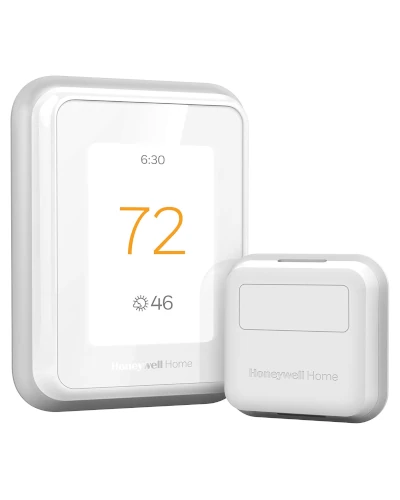
The Nest Learning Thermostat 4th Gen competes at the top of the market alongside the ecobee Premium and Honeywell Home X8S. It wins on design, Google integration, and the included sensor. It loses on cross-platform flexibility compared to ecobee and on display size compared to the X8S.

For Google Home households, the decision is straightforward. The 4th Gen is the premium answer. The cheaper Nest Thermostat 2020 at $120 to $130 is the budget alternative within the same ecosystem. Nothing else in the Google Home world matches the 4th Gen for design quality, sensor inclusion, and automation depth.

Matter support gives the 4th Gen a meaningful edge over older Nest models for households that are not 100% Google. It enables basic interoperability with other Matter-compatible platforms, reducing the ecosystem lock-in that previously made Nest a harder sell for mixed smart homes.

Daily Performance and Learning Algorithm

The auto-learning schedule becomes genuinely useful after about 10 days of calibration.

The learning algorithm is the Nest signature feature, and the 4th Gen refines it further. After about 10 days, it accurately predicted weekday and weekend patterns in our test home, adjusting temperature before we would have manually. The first week requires patience as the system calibrates, but the payoff is a thermostat that anticipates your routine rather than waiting for instructions.

Home and Away routines use phone geolocation to detect when the house is empty. The system drops to an energy-saving setpoint when everyone leaves and pre-conditions before the first person returns. In practice, this caught irregular schedule days that a fixed programmable thermostat would have missed entirely.

The included Nest Temperature Sensor provides room-level data that the thermostat uses for comfort decisions. Placing it in the bedroom for overnight prioritization or in the home office for daytime focus creates a noticeably better experience than relying solely on the hallway reading.

Design and Hardware That Set It Apart

The borderless dome display and premium materials make it the best-looking thermostat on the market.

The 4th Gen display is a genuine design achievement. The borderless dome shape looks clean and premium from any angle. Text and graphics are readable from across the room. In a hallway or living room, it functions as a subtle piece of smart home hardware rather than an obvious plastic gadget.

The touch-sensitive ring around the display provides satisfying haptic feedback for temperature adjustments. Rotating the ring to change temperature feels more intuitive than tapping a touchscreen, especially when your hands are full or you are passing by quickly.

Matter certification future-proofs the 4th Gen for the evolving smart home ecosystem. As more devices adopt Matter, the Nest will work with them without needing Google-specific bridges or workarounds. This is particularly valuable for buyers who plan to keep the thermostat for 5 to 10 years.

Long-Term Value and Ecosystem Benefits

Strong long-term value within the Google ecosystem, with Nest Renew for cleaner energy tracking.

Within the Google ecosystem, the Nest 4th Gen unlocks features that standalone thermostats cannot offer. Google Home routines can link the thermostat to lights, speakers, and other devices. A Good Morning routine can set comfortable temperatures, turn on lights, and start music simultaneously.

Nest Renew is a unique feature that tracks when your local grid uses cleaner energy and shifts some HVAC runtime to those periods. The environmental impact is modest for any single household, but for eco-conscious buyers it adds a layer of value that no other thermostat brand currently offers.

ENERGY STAR certification means the Nest 4th Gen qualifies for utility rebates. At $280 retail minus a $75 rebate, the effective cost of $205 is more competitive with mid-range alternatives. The included sensor adds another $30 to $40 of value that competitors charge separately.

Who Should Buy the Nest 4th Gen

Google Home users who want premium quality, an included sensor, and the best-looking thermostat on the wall.

If your home runs on Google Home and you want the best thermostat for that ecosystem, stop here. The Nest 4th Gen is the answer. The integration depth, design quality, and included sensor create a premium experience that no other Google-compatible thermostat matches.

Buyers who care about how the thermostat looks on the wall should also prioritize the Nest 4th Gen. It is the only model in this guide that genuinely functions as a design object rather than a utilitarian device. In a well-decorated home, that matters more than most spec sheets suggest.

For multi-story homes within the Google ecosystem, the included sensor provides immediate value. Place it in the room that matters most and let the thermostat prioritize comfort there. Additional Nest sensors can be added later for broader coverage.

Main Drawbacks and Better Alternatives

No HomeKit support, highest price in the guide, and the learning algorithm needs patience.

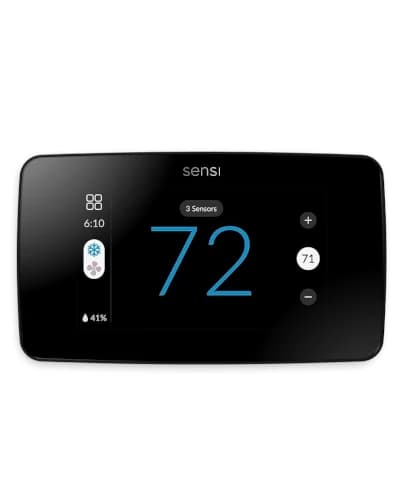
The biggest limitation is ecosystem. The Nest 4th Gen does not support Apple HomeKit natively. While Matter provides some cross-platform capability, it is not the same as native HomeKit integration. Apple households should look at the ecobee Premium or Sensi Touch 2 instead.

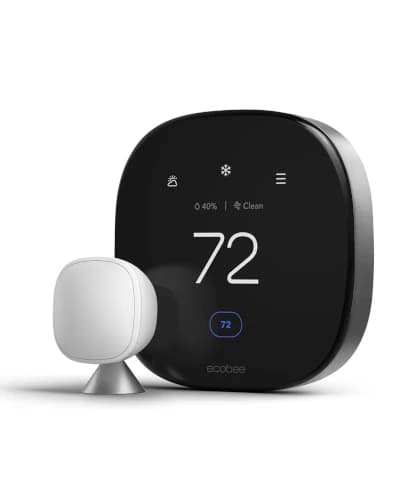
At $250 to $280, the Nest 4th Gen is the most expensive thermostat in this guide. If you do not specifically value the design, the included sensor, or the Google integration, the ecobee Premium at $230 to $250 does more for less money with broader platform support.

The learning algorithm requires about 10 days of patience before it becomes useful. During that calibration period, you may need to make manual adjustments. Buyers who want a thermostat that works perfectly from day one should use the Quick Schedule setup and disable learning until they are ready.

Bottom Line

The best premium thermostat for Google Home households with the most refined design in the category.

The Nest Learning Thermostat 4th Gen is the premium smart thermostat for Google Home households. The included sensor, Matter support, learning algorithm, and standout design create a package that feels complete and premium from the moment it goes on the wall.

For Google-first buyers with the budget, it is the easiest recommendation in this guide. For mixed-platform households, the ecobee Premium offers broader compatibility. For budget-conscious Google users, the Nest Thermostat 2020 delivers the same ecosystem at half the price.

Check your utility rebate before purchasing. A $75 to $100 rebate brings the effective cost much closer to the mid-range tier while keeping the premium experience.

At A Glance

Best Pick

Best for Google Home

Price Range

$250

User Rating

4.6/5 from 387 reviews

Best For

Google Home households, design-conscious buyers who want a premium wall presence, and homeowners who want an included room sensor with auto-learning comfort automation.

1Included Nest Temperature Sensor for room-to-room comfort balancing
2Matter support for cross-ecosystem compatibility
3Auto-learning schedule adapts to your daily routine over time
4Home and Away routines use phone location to save energy automatically
5Borderless dome display with improved readability from across the room
6Compatible with most 24V heating, cooling, and heat pump systems
7ENERGY STAR certified and Nest Renew compatible for cleaner energy tracking
8Works with Google Home app for seamless smart home integration

Pros And Cons

What We Like

  • +Best-in-class Google Home integration
  • +Included temperature sensor adds real room-balancing value
  • +Auto-learning schedule is genuinely useful after the first week
  • +Premium design looks better on the wall than any competitor
  • +Matter support future-proofs the investment

What Could Be Better

  • -Most expensive thermostat in the shortlist
  • -No Apple HomeKit support limits cross-platform flexibility
  • -Learning algorithm takes 1 to 2 weeks to become accurate
  • -Fewer third-party integrations than ecobee

Frequently Asked Questions

Is the Nest 4th Gen worth the premium price over the Nest 2020?

Yes, if you value the included temperature sensor, Matter support, auto-learning schedule, and premium display. The 4th Gen delivers a noticeably more complete experience. The Nest 2020 at $120 to $130 is the better value if you only need basic scheduling and Google Home control.

Does the Nest 4th Gen work with Apple HomeKit?

Not natively. The Nest 4th Gen supports Matter, which provides some cross-platform interoperability, but it does not have native Apple HomeKit support. For full HomeKit integration, consider the ecobee Premium or Sensi Touch 2.

How long does the Nest learning algorithm take to work?

The learning algorithm typically needs about 7 to 14 days of regular use before it accurately predicts your schedule. During this period, use the thermostat normally and make manual adjustments as needed. The system learns from these interactions to build your comfort profile.

Can I add more Nest temperature sensors later?

Yes. The Nest 4th Gen supports multiple Nest Temperature Sensors. One is included in the box. Additional sensors can be purchased separately and placed in bedrooms, offices, or any room where you want temperature-priority control.

How It Compares

ProductRatingBadge
Google Nest Learning Thermostat 4th Gen4.6/5Best for Google Home
ecobee Smart Thermostat Premium4.6/5Best Overall
Honeywell Home X8S4.4/5Best Smart Integration
Sensi Touch 24.6/5Best for Easy Use
Honeywell Home T94.4/5Best for Room Comfort
ecobee Smart Thermostat Enhanced4.5/5Best Mid-Range

How We Evaluate Products

Real buyer feedback

We combine marketplace review signals with the strengths and drawbacks documented inside the original buying guide.

US-focused advice

Recommendations are framed for American homes, pricing realities, and ownership expectations relevant to the US market.

Value analysis

We look at positioning, compromises, and the quality of the product’s feature mix instead of just headline specs.

Contextual comparisons

Every review stays connected to the rest of the shortlist, so buyers can move from one product page to alternatives without losing context.

Explore More

About The Reviewer

Written by

Subhadeep Ghosh - Founder of SmartHouseGears
Subhadeep GhoshTech Enthusiast

Subhadeep Ghosh is a tech enthusiast and the founder of SmartHouseGears. He is passionate about smart home technology and loves helping Indian homeowners make informed decisions about home automation, energy efficiency, and the latest gadgets.