Skip to content
Google Nest Thermostat review for USA buyers
Best Budget Google
Updated April 7, 2026Climate Control

Google Nest Thermostat Review: USA Pick

4.4(2,258 reviews)

The Google Nest Thermostat 2020 is the best budget smart thermostat for Google Home households.

Its mirrored glass design, simple Google Home app integration, and easy DIY installation make it the clearest path into smart thermostat ownership for budget-conscious Google ecosystem users.

Value

Excellent Value

Rating

4.4/5

Reviews

2,258

Our Pick

Best Budget Google

At a glance

Decision Snapshot

The verdict, who it fits, and where to think twice — before you scroll the deep review.

Our Verdict

At $120 to $130, the Nest 2020 delivers the core smart thermostat experience in a package that looks better than its price suggests.

It is the best budget pick for Google Home users and one of the easiest thermostats to recommend for apartments and first-time buyers.

Best For

Budget Google Home users, apartment renters, first-time smart thermostat buyers, and anyone who wants Nest quality without flagship pricing.

Watch Outs

Apple HomeKit households, buyers who need room sensors, or anyone who wants the deepest automation and learning features (the Nest 4th Gen does more).

What We Checked

Ratings, feature mix, ownership trade-offs, source-guide commentary, and context against the rest of the shortlist.

Long read

Detailed Review

Hands-on context, what daily ownership feels like, and where this pick lands against rivals.

Editor's Take

What it's actually like to live with

The Nest Thermostat 2020 stays on the list because it solves a buyer problem that comes up constantly: wanting a smart thermostat without spending $200+. At $120 to $130, it is cheap enough to be a low-risk purchase, but it does not feel cheap on the wall. The mirrored glass design genuinely looks more expensive than it is.

For apartment renters, the Nest 2020 is especially practical. It installs with a few screws, works with standard wiring, and removes cleanly when your lease ends. Keep the original thermostat, swap the Nest into your next place, and return the old unit to the landlord. That portability gives the Nest 2020 value beyond any single home.

The Google Home app handles scheduling, temperature control, and Home and Away routines smoothly. The Quick Schedule feature simplifies initial setup by asking a few questions about your routine and generating a starting schedule. The app does not try to do too much, which keeps the daily experience clean and reliable.

The Budget Nest That Does Not Feel Budget

Nest quality and design at the most accessible price in the Google ecosystem.

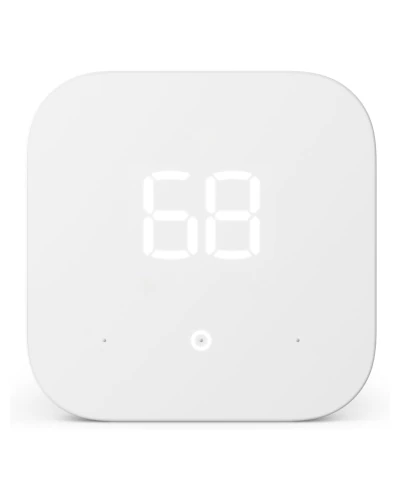
The Nest 2020 competes directly with the Amazon Smart Thermostat in the budget tier. It costs $40 to $50 more than the Amazon model, but it looks better, works with more platforms (both Google and Alexa), and has a stronger no-C-wire option through the Nest Power Connector.

Against its own premium sibling, the Nest 4th Gen at $250 to $280, the 2020 model sacrifices the included sensor, Matter support, auto-learning depth, and premium display. What it keeps is the core Google Home integration, the Home and Away routines, and the clean design language that makes Nest products recognizable.

For budget buyers in the Google ecosystem, there is no closer competition. The Nest 2020 owns this specific niche and does it well.

Daily Use and Google Home Integration

Smooth app experience and reliable Google Home integration at a budget price.

The Google Home app delivers a clean interface for the Nest 2020. Temperature adjustments, schedule changes, and energy history all work without lag or confusion. The simplicity is a feature, not a limitation, for buyers who just want a thermostat they can control from their phone.

Home and Away routines use phone geolocation to save energy when the house is empty. This automatic detection catches those irregular days when your schedule changes unexpectedly. The system drops to an eco-friendly temperature when everyone leaves and pre-conditions before the first person comes home.

The touch-strip side control allows quick temperature adjustments without opening the app. Swipe up to increase, swipe down to decrease. It is less intuitive than a full touchscreen, but it works reliably for quick hallway interactions.

Design and C-Wire Flexibility

Mirrored glass design and Nest Power Connector support for homes without C-wires.

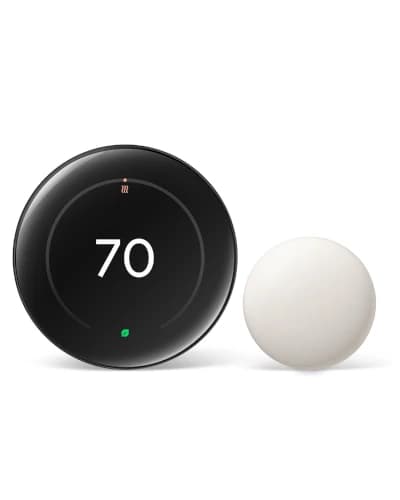
The mirrored glass design is the Nest 2020 greatest aesthetic asset. It reflects the wall color behind it, which helps it blend into any hallway or living room. On a white wall, it looks like a clean circular mirror. On a colored wall, it takes on a subtle tint. The visual effect is consistently better than the plastic housings on budget competitors.

The Nest Power Connector provides a C-wire alternative for compatible systems. It installs at the furnace or air handler and provides the steady power the thermostat needs. It does not work with every system, but for compatible setups it eliminates the C-wire barrier without hiring an electrician.

ENERGY STAR certification means the Nest 2020 qualifies for utility rebates. At $130 retail minus a $75 rebate, the effective cost drops to $55. At that price, the payback period from energy savings is about one year.

Renter-Friendly and Long-Term Value

Easy to install, remove, and move between homes - ideal for renters.

The Nest 2020 is the most renter-friendly thermostat in this guide. Installation requires only a screwdriver and about 20 minutes. Removal is equally simple. Keep the original thermostat and mounting screws, swap the Nest back in at your next apartment, and return the old thermostat to the landlord. The Nest moves with you.

For homeowners, the Nest 2020 is a safe starting point for smart thermostat ownership. If you decide later that you want premium features, room sensors, or Matter support, you can upgrade to the Nest 4th Gen without changing ecosystems. The Google Home app and your preferences transfer seamlessly.

Software updates keep the Nest 2020 current over time. Google has a strong track record of supporting Nest products with firmware and app updates for years after purchase. The thermostat you buy today should remain functional and connected well into the next decade.

Who Should Buy the Nest 2020

Budget Google users, renters, first-time buyers, and anyone who wants Nest without flagship spending.

If you are a Google Home user who wants a smart thermostat under $130, the Nest 2020 is the obvious answer. Nothing else in this price range matches its combination of design, Google integration, and brand reliability.

Apartment renters should seriously consider the Nest 2020 over cheaper alternatives. The clean installation, easy removal, and portability between apartments give it practical value that outlasts any single lease. The design also looks better on an apartment wall than budget plastic alternatives.

First-time smart thermostat buyers benefit from the Nest 2020 simplicity. It does not overwhelm with features or demand a steep learning curve. Set a schedule, enable Home and Away routines, and the thermostat handles the rest.

Drawbacks and When to Spend More

No sensor, no Matter, no HomeKit, and the touch strip takes getting used to.

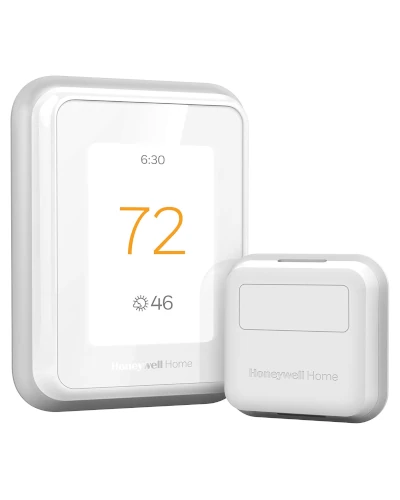
No included room sensor means the Nest 2020 reads temperature only at its wall location. For multi-story homes with significant room-to-room temperature differences, the Honeywell T9 or ecobee Premium are better investments because they can measure comfort in the room that matters.

No Matter support limits the Nest 2020 to Google Home integration. While it works with Alexa for basic control, the experience is much better within Google Home. For mixed-platform households, the ecobee Enhanced or Sensi Touch 2 offer broader native support.

The touch-strip side control works but takes a few days to become natural. If you prefer a touchscreen interface, the Sensi Touch 2 at $150 to $190 offers that with broader platform support.

Bottom Line

The best budget smart thermostat for Google Home users with design that punches above its price.

The Nest Thermostat 2020 remains the easiest budget smart thermostat to recommend for Google Home households. The mirrored glass design looks premium, the Google Home integration is smooth, and the $120 to $130 price is low enough to be a low-risk smart home entry point.

For renters, it is the best thermostat investment because it moves with you. For first-time buyers, it is the simplest path into smart climate control. For Google ecosystem loyalists on a budget, nothing else at this price matches the Nest experience.

Check your utility rebate first. At $55 to $75 after incentives, the Nest 2020 becomes one of the best value propositions in the entire smart thermostat market.

Spec sheet

At A Glance

Quick facts and the headline features that actually matter day to day.

Quick Facts

Best Pick

Best Budget Google

Price Range

$120

User Rating

4.4/5 from 2,258 reviews

Best For

Budget Google Home users, apartment renters, first-time smart thermostat buyers, and anyone who wants Nest quality without flagship pricing.

Key Features

  • Clean mirrored-glass design that looks good on any wall
  • Google Home app integration with scheduling and energy history
  • Home and Away routines detect presence through phone location
  • Nest Power Connector support for some systems without a C-wire
  • Quick Schedule feature simplifies initial programming
  • Compatible with most common 24V HVAC systems including heat pumps
  • ENERGY STAR certified for utility rebate eligibility
  • Simple touch-strip side control for quick temperature adjustments

Trade-offs

Pros And Cons

The honest highs and lows we'd flag to a friend asking which to buy.

What We Like

  • Most affordable Nest thermostat with genuine smart features
  • Clean design that does not look like a budget product
  • Google Home integration is smooth and reliable
  • Good fit for apartments and renters
  • Easy DIY installation for standard wiring

What Could Be Better

  • No included room sensor
  • No Matter support unlike the 4th Gen
  • Touch-strip control is less intuitive than a full touchscreen
  • Fewer advanced features than the Learning Thermostat 4th Gen

Buyer Questions

Frequently Asked Questions

Real questions Indian buyers ask before clicking buy on Amazon.in.

Is the Nest 2020 still worth buying in 2026?

Yes, for budget Google Home users. It lacks Matter support and a room sensor, but the core smart thermostat features - app control, scheduling, Home and Away routines, and clean design - remain solid. For premium features, upgrade to the Nest 4th Gen.

Can renters use the Nest Thermostat 2020?

Yes. The Nest 2020 installs with basic screws and standard 24V wiring. Keep your original thermostat to reinstall when you move out. Check with your landlord before installation, and verify your apartment HVAC wiring is compatible.

Does the Nest 2020 need a C-wire?

The Nest 2020 works best with a C-wire but can use a Nest Power Connector on compatible systems when no C-wire is available. Check Nest compatibility checker to see if the Power Connector works with your specific HVAC setup.

What is the difference between the Nest 2020 and Nest 4th Gen?

The 4th Gen adds an included temperature sensor, Matter support, auto-learning scheduling, a premium borderless dome display, and Nest Renew compatibility. The 2020 model is simpler and about $120 to $150 cheaper. Choose the 4th Gen for premium features or the 2020 for budget Google Home control.

Side by side

How It Compares

Quick look at the other picks in this guide and where each one wins.

Our process

How We Evaluate Products

What goes into every recommendation, so you know the rating is more than a spec sheet.

Real buyer feedback

We combine marketplace review signals with the strengths and drawbacks documented inside the original buying guide.

US-focused advice

Recommendations are framed for American homes, pricing realities, and ownership expectations relevant to the US market.

Value analysis

We look at positioning, compromises, and the quality of the product's feature mix instead of just headline specs.

Contextual comparisons

Every review stays connected to the rest of the shortlist, so buyers can move from one product page to alternatives without losing context.

Keep Exploring

Discussion

Be the first to comment

Have a question or experience to share? Scroll down to leave a comment.