Skip to content

Climate Control

Amazon Smart Thermostat Review
Subhadeep GhoshUpdated April 7, 20264.4 rating
Amazon Smart Thermostat review for USA buyers
Best Budget
4.4(605 reviews)

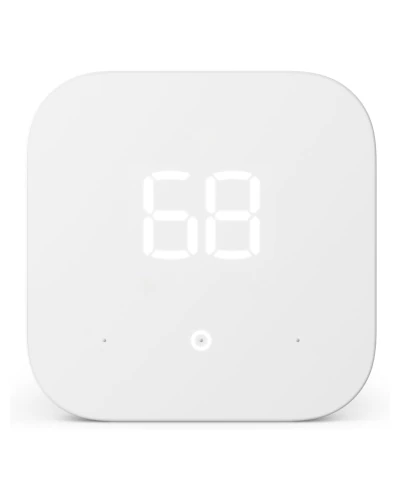
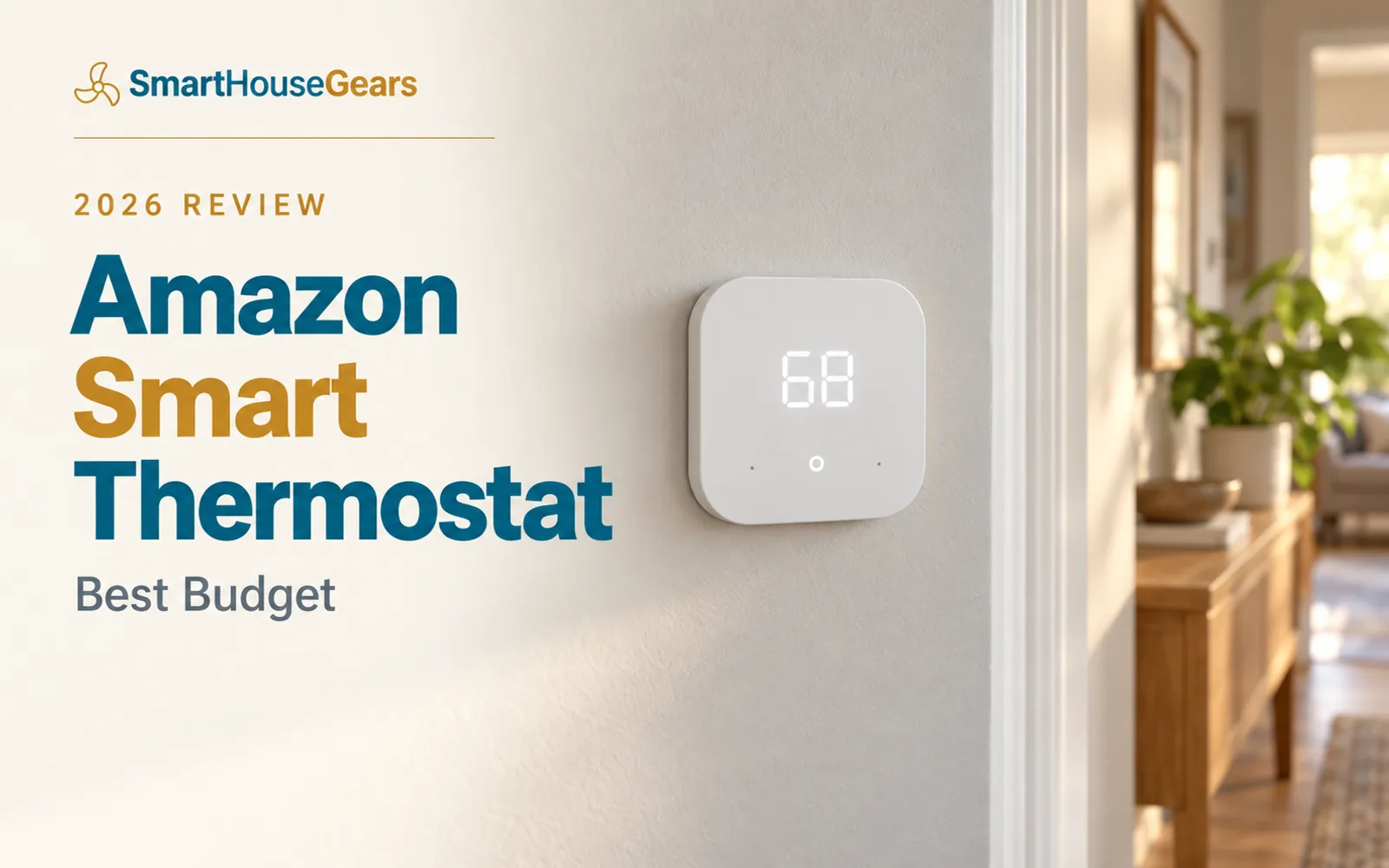
The Amazon Smart Thermostat is the cheapest credible smart thermostat you can buy, starting around $79 before utility rebates. Built with Resideo for Alexa households with a C-wire, it delivers the core smart-thermostat value at a price that can drop below $30 after incentives.

It is basic by design, but for an Alexa home that already has a C-wire, the payback math is almost unbeatable.

$79.99

Amazon.com price as of 26/07/2026. Details

Value
Excellent value
Rating
4.4/5
Reviews
605
Being cheap genuinely matters in this category, and the Amazon Smart Thermostat is the cheapest credible option there is. When a $79 thermostat can drop to $30 or less after a utility rebate, the entire financial argument changes — instead of a multi-year payback, you get a device that pays for itself in a single season. That is why it is our Best Budget pick in the smart WiFi thermostat guide.
It is basic, and we will be honest about that. But built with Resideo (the Honeywell Home company) for Alexa homes, it delivers the real core of a smart thermostat without the premium overhead.

Who Should Buy the Amazon Smart Thermostat

Buy it if you already live in the Alexa ecosystem, already have a C-wire, and want the simplest, cheapest path into smart thermostat ownership. For that buyer, nothing else here comes close on value.
It is also a great pick for a non-tech-savvy household. The interface is simple enough that any family member can use it, and Alexa handles the smarter behavior in the background.
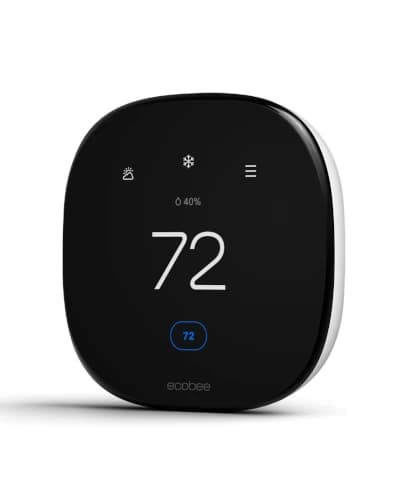
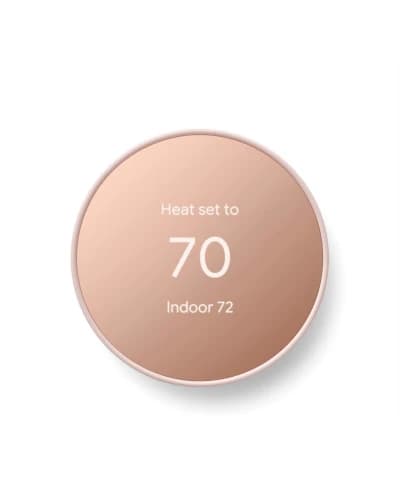
It is not the right choice for Google Home or Apple HomeKit homes — it is Alexa-only. It is also wrong for homes without a C-wire that do not want to buy the adapter, and for anyone who wants room sensors, a nice display, or deep automation. Those buyers should look at the ecobee Enhanced or Nest Thermostat 2020.

The Price Math After a Utility Rebate

This is the entire reason the Amazon Smart Thermostat exists on a list next to $250 flagships. Because it is ENERGY STAR certified, it qualifies for the same utility rebates as premium models — but on a far smaller starting price.
Many US utilities offer $50 to $85 back on qualifying connected thermostats. Stack that against a $79 sticker and the real cost can fall below $30. At that point, even the DOE's conservative ~$50-per-year savings estimate means the thermostat pays for itself in the first winter or summer.
The thermostat is also UL ECOLOGO certified and part of Amazon's Climate Pledge Friendly program, which is part of why utilities are comfortable subsidizing it.

Alexa Hunches and Auto-Schedule

The smart behavior comes from Alexa Hunches and an auto-schedule feature. Hunches use cloud machine learning to study how you run your HVAC, then adjust the temperature automatically based on your phone's location and how you interact with Alexa — a lightweight take on the occupancy and geofencing found on pricier models.
Day to day, the Alexa integration simply works. Voice commands to set the temperature, create schedules, or check the current reading all respond quickly through nearby Echo devices. And because it is built for the Amazon ecosystem, Ring integration ties it into a broader Alexa-and-Ring smart home cleanly.
If you are assembling that smart home to avoid recurring fees, this thermostat fits — its intelligence rides on Alexa, not a subscription. Our build a smart home with no monthly fees guide covers the wider setup.

The C-Wire Requirement

Here is the one hard limit to check first. The Amazon Smart Thermostat requires a C-wire for power, and unlike ecobee models it does not include a Power Extender Kit in the box. Pull off your old thermostat and confirm there is a wire on the C terminal before you order the base unit.
If your wiring lacks a common wire, Amazon sells a separate C-wire adapter bundle, which raises the price and narrows the value gap to a mid-range thermostat. In an older home with only two or four wires, an ecobee Enhanced with its included PEK is often the cleaner, cheaper-in-practice solution.

What You Give Up at $79

Being honest about the trade-offs is fair at this price. There is no room sensor and no support for adding one. The display and controls feel clearly cheaper than the Sensi Touch 2 or any ecobee. It is Alexa-only, so it is a dead end for Google or Apple homes. And its HVAC accessory support is more limited than Honeywell or ecobee for complex systems.
None of that is a flaw so much as a positioning choice. You are buying the core value proposition — app control, scheduling, occupancy savings, and voice commands — stripped of everything else, for the lowest credible price in the category.

Amazon Smart Thermostat Specs at a Glance

Display
Basic LCD with simple controls
Dimensions
About 3.5 x 3.5 x 0.8 inches
Room sensor
Not supported
Automation
Auto-schedule plus Alexa Hunches (location + usage)
Platforms
Alexa only (with Ring integration)
C-wire
Required (separate adapter bundle sold for homes without one)
Built with
Resideo (Honeywell Home)
HVAC support
Common 24V systems including heat pumps, with a C-wire
Certification
ENERGY STAR and UL ECOLOGO, maximum rebate eligibility
Typical price
About $79 to $90 (often under $30 after rebate)

What We Like, and What to Watch

The strengths are all value. It is the cheapest smart thermostat worth buying, delivers extraordinary value after utility rebates, its Alexa and Ring integration is reliable, it is simple enough for anyone in the family, and its ENERGY STAR certification maximizes rebate eligibility.
The watch-outs are the deliberate limits. It requires a C-wire with no in-box workaround, it is Alexa-only, its display and controls feel budget, there is no room sensor, and accessory support for complex HVAC is limited. Buy it for the price, not the features.

Before You Buy the Amazon Smart Thermostat

Confirm you have a C-wireThe base unit requires one — check the C terminal, or buy the adapter bundle
Confirm you use AlexaThis is an Alexa-only thermostat; Google and Apple homes should skip it
Check your utility rebate firstA rebate can drop the real price under $30, which is the whole point
Photograph your old wiringRecord every wire and terminal before disconnecting
Verify HVAC compatibilityCommon systems are fine; complex multi-stage or dual-fuel setups may need more
Have a nearby Echo deviceVoice control and Hunches lean on your existing Alexa devices

How the Amazon Thermostat Compares With Its Rivals

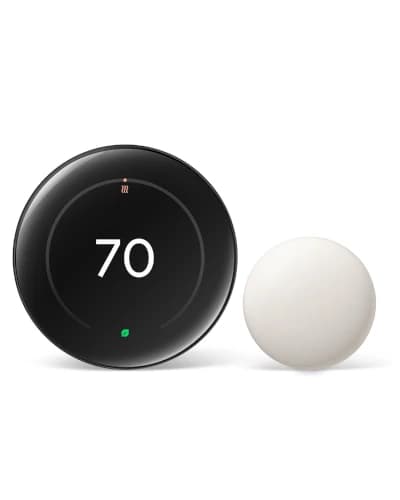
Against the Nest Thermostat 2020, the Amazon pick is cheaper and Alexa-native, while the Nest works without a C-wire in most homes and fits Google households. Platform and wiring decide it: Alexa home with a C-wire takes the Amazon, Google home or no C-wire takes the Nest.
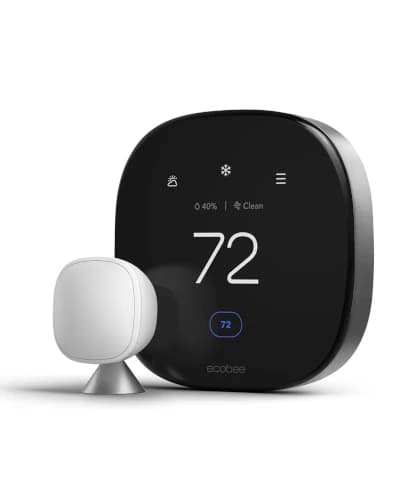
Against the ecobee Enhanced, the Amazon is far cheaper, while the ecobee adds a nicer display, broad platform support, deeper automation, and a Power Extender Kit for homes without a common wire. Buy the Amazon for lowest cost, the ecobee for a genuinely more capable thermostat.
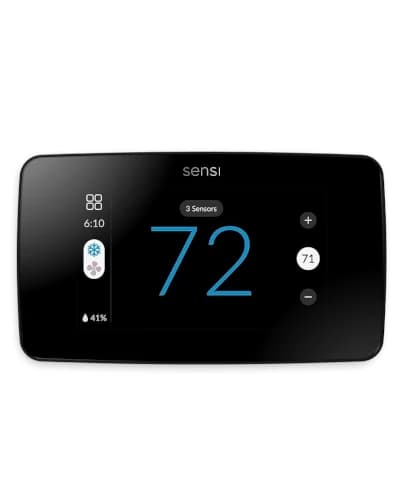
Against the Sensi Touch 2, the Amazon undercuts it on price, while the Sensi offers a proper touchscreen, a better app, and broad platform support. The Amazon is the budget floor; the Sensi is the easy-to-use step up.

The Verdict

The Amazon Smart Thermostat is the best budget smart thermostat in 2026 for the right buyer. If you live in the Alexa ecosystem, already have a C-wire, and want the simplest, cheapest entry into smart climate control, the value is hard to argue with — especially after a utility rebate pushes the real cost toward zero.
Buy it if price is your priority and Alexa is your platform. If you are on Google, the Nest Thermostat 2020 is the budget pick, and if you lack a C-wire or want more capability, the ecobee Enhanced is worth the step up. For a cheap, Alexa-first upgrade, though, this is the smartest few dollars in the category.

How it compares

The other picks in this guide at a glance, with a thumbnail, rating, and where each one wins.

Frequently asked questions

Does the Amazon Smart Thermostat need a C-wire?

Yes. The thermostat itself requires a C-wire (common wire) for power, and unlike ecobee models there is no in-box Power Extender Kit. Amazon does sell a separate C-wire adapter bundle for homes without one, which raises the price. Check the C terminal on your old thermostat before you buy the base unit.

How cheap can the Amazon Smart Thermostat really get?

Very cheap. It starts around $79, and because it is ENERGY STAR certified, many utilities offer rebates of $50 to $85 on it. In some regions a rebate covers most of the cost, dropping the real price below $30 and giving it an almost immediate payback period.

Which smart home platforms work with the Amazon Smart Thermostat?

Alexa only. It is built specifically for the Amazon and Ring ecosystem, so it works beautifully with Echo devices, Alexa routines, and Ring integration. It does not work with Google Home or Apple HomeKit, so non-Amazon households should look at a Nest or ecobee instead.

What are Alexa Hunches on the Amazon Smart Thermostat?

Hunches are Amazon's automation layer. Alexa uses cloud machine learning to analyze how you use your HVAC system, then adjusts temperature automatically based on your phone's location and how you interact with Alexa. It is a lightweight version of the occupancy and geofencing features on pricier thermostats.

Is the Amazon Smart Thermostat good for a heat pump?

It works with common 24V systems including heat pumps, as long as you have a C-wire. For multi-stage or dual-fuel heat pump setups, its accessory support is more limited than an ecobee or Honeywell, so verify your wiring first and step up to a more capable thermostat if your system is complex.

Who should not buy the Amazon Smart Thermostat?

Google Home and Apple HomeKit households, homes without a C-wire that do not want to buy the adapter, and anyone who wants room sensors, a nice display, or advanced automation. The Amazon Smart Thermostat is a deliberately basic, Alexa-only budget device — its value is price, not features.

Continue reading

Discussion

Be the first to comment

Have a question or experience to share? Scroll down to leave a comment.