
Editor's take
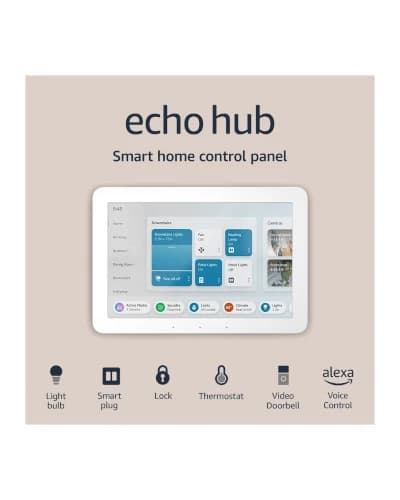
The Echo Hub solves a problem that a phone app cannot. The person who built the smart home knows which app owns the patio lights, the garage door, and the front camera. The spouse, babysitter, houseguest, and grandparent visiting for Thanksgiving do not. A wall panel turns the smart home into something closer to a normal light switch bank, and that is the only reason adoption sticks past the first six months.
The dashboard quality is where Amazon moved past Echo Show 8 for wall use. Echo Hub keeps device tiles visible all day, with a persistent layout that puts the porch lights, the front door lock, the Ring camera, and the away routine on a single screen. That is faster than asking Alexa and faster than opening the Alexa app on a phone.
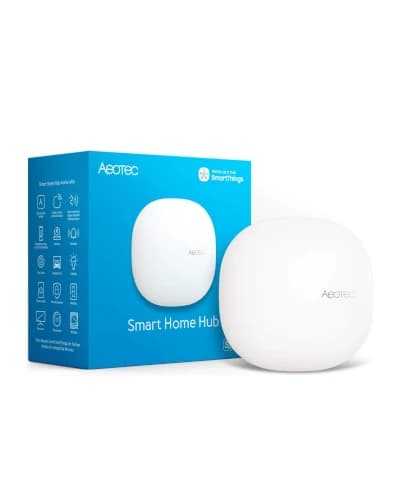
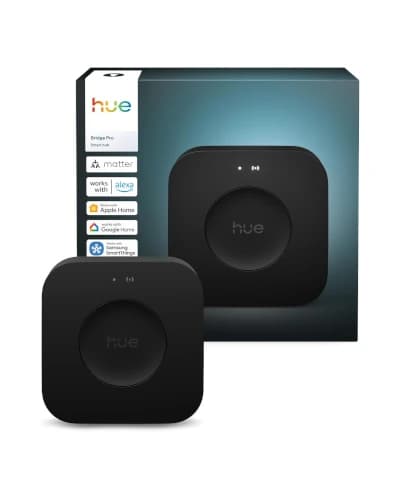
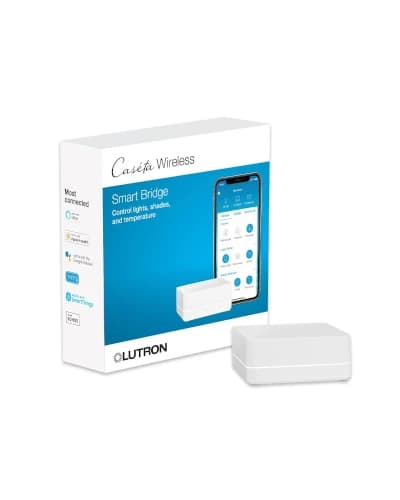
Radio coverage is the second reason it earns the slot. Matter, Thread, Zigbee, Sidewalk, and Bluetooth are all built in, which means an Alexa household with one Echo Hub on the wall can pair Schlage Encode Plus, Aqara contact sensors, Sengled bulbs, Eero Built-In speakers, and Sidewalk-extending Ring devices without a second bridge. That is a real $50 to $100 savings on the typical Alexa smart home buildout.
The placement caveat is real. Echo Hub looks unfinished if the power cable dangles down the wall, and there is no built-in battery. Plan for an in-wall electrical box or a clean cable channel before you buy. The cleanest installs I have seen in US homes use a low-voltage retrofit box behind the panel and a Power Bridge in-wall cable kit.
The 4.0 verified Amazon.com rating from 1,665 reviews is honest but not glowing. Common complaints cluster around the dashboard customization being shallower than third-party panels like Home Assistant Dashboard, and around lag when too many Ring camera tiles are loaded. For an Alexa household that wants a wall display without building one from scratch, those tradeoffs are still worth the price.
Discussion
Be the first to comment