Skip to content
Aqara Hub M3 review for USA buyers
Best Overall
Updated May 19, 2026Hubs & Controllers

Aqara Hub M3 Review 2026: The Best Matter Smart Home Hub for US Homes

4.1(1,553 reviews)

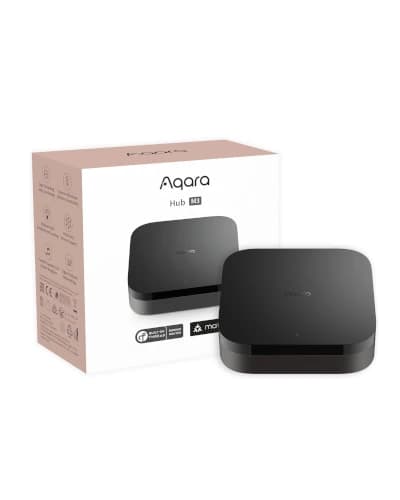
The Aqara Hub M3 is the closest thing to a Swiss Army knife in the 2026 Matter hub market for US buyers. One small box covers Matter controller, Thread border router, Aqara Zigbee hub, 360-degree IR blaster, and a wired-plus-wireless network interface that includes Ethernet and PoE.

It is also the rare premium hub priced below $160 that does not force you to pick a single ecosystem. Apple Home, Alexa, Google Home, SmartThings, Home Assistant, and IFTTT all see the M3 as a useful citizen, and Aqara sensors finally pass cleanly into whichever platform your family already uses.

Value

Excellent Value

Rating

4.1/5

Reviews

1,553

Our Pick

Best Overall

At a glance

Decision Snapshot

The verdict, who it fits, and where to think twice — before you scroll the deep review.

Our Verdict

If a smart home installer in Austin or Denver had to name one hub to drop into a new 2,500 sq ft build in 2026, the Aqara Hub M3 is the answer that comes up most often. It hits the four roles that confuse buyers (Matter, Thread, Aqara Zigbee, IR) for $129 to $160 without locking you into a single voice assistant.

Skip it if your house lives on Z-Wave locks and Z-Wave leak sensors. The M3 has no Z-Wave radio, and trying to bend it into that role wastes its real strengths.

Best For

New Matter-first homes, Apple Home households running Aqara sensors, mixed-platform buyers who want one hub that talks to Alexa and Google Home at the same time, and anyone planning to place the hub in a central closet or low-voltage panel using PoE.

Watch Outs

Z-Wave-heavy homes with Schlage Connect, Yale Assure, or Kwikset 914 locks, third-party Zigbee bulb collectors, and full Home Assistant tinkerers who want raw radio access.

What We Checked

Ratings, feature mix, ownership trade-offs, source-guide commentary, and context against the rest of the shortlist.

Long read

Detailed Review

Hands-on context, what daily ownership feels like, and where this pick lands against rivals.

Editor's Take

What it's actually like to live with

What separates the Aqara Hub M3 from every other premium Matter controller on Amazon.com in 2026 is the placement story. Most hubs lose half their range because they ship with WiFi only, then end up shoved behind a TV or stuffed inside the same network cabinet as the modem, two routers, and a noisy switch. The M3 supports Ethernet, PoE, USB-C, and dual-band WiFi, so you can mount it on a central wall, drop it into a low-voltage panel in the basement, or hang it under a stair landing where Thread and Zigbee actually have line-of-sight to the rest of the house.

Role coverage is the second reason it wins the overall slot. The M3 acts as a Matter controller for new accessories, a Thread border router for Matter-over-Thread devices, and a Zigbee hub for Aqara presence sensors, contact sensors, leak detectors, buttons, blinds, and locks. The 360-degree IR blaster on top is the bonus feature that quietly handles a bedroom mini-split, a basement TV, or a media room receiver that will never speak Matter natively.

Real-world response time is where the M3 separates from cheaper hubs. Aqara automations involving an FP2 presence sensor or a P2 contact sensor execute locally, so a hallway light reacts in roughly 200 to 400 milliseconds instead of the 1 to 2 second lag you get when an automation has to round-trip to a vendor cloud.

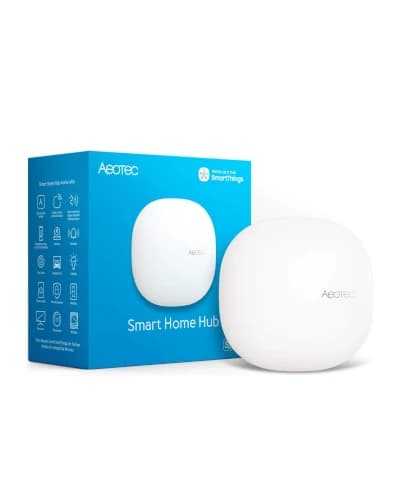
The honest limit is Zigbee compatibility expectations. Aqara has tightened its Zigbee stack around its own sensor line, so a random IKEA Tradfri bulb, Sengled bulb, or Tuya contact sensor is not guaranteed to pair. If you want an open Zigbee coordinator that takes anything 802.15.4, this is not it. Aeotec Smart Home Hub or a Home Assistant Yellow with a Sonoff Zigbee dongle is the better choice for that workflow.

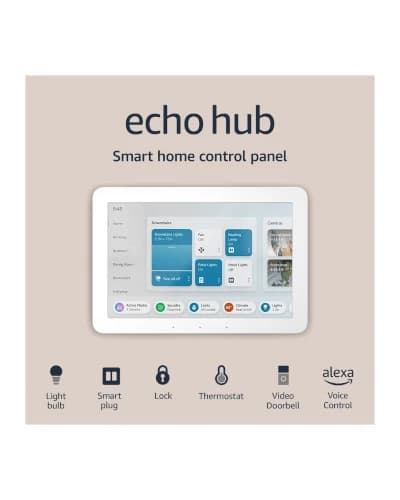
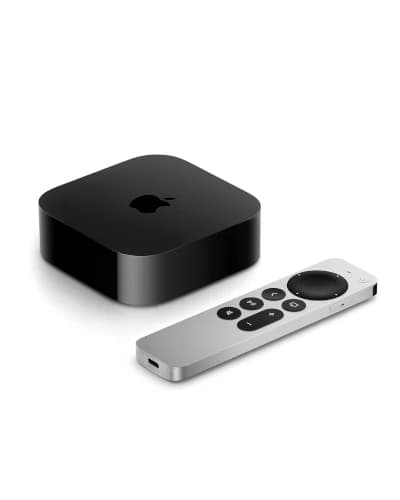
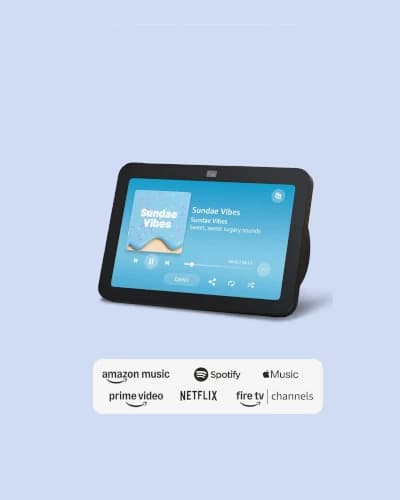
After matching this against the Aeotec Smart Home Hub, Apple TV 4K, and Echo Hub at the same price points, the M3 is still the hub I would point most US smart home builders to first. The competition either lacks Thread, lacks Ethernet, or locks you into one ecosystem. The Aqara Hub M3 does all three jobs and lets your family use whichever assistant they already trust.
Spec sheet

At A Glance

Quick facts and the headline features that actually matter day to day.

Quick Facts

Best Pick

Best Overall

Price Range

$129

User Rating

4.1/5 from 1,553 reviews

Best For

New Matter-first homes, Apple Home households running Aqara sensors, mixed-platform buyers who want one hub that talks to Alexa and Google Home at the same time, and anyone planning to place the hub in a central closet or low-voltage panel using PoE.

Key Features

  • Verified Amazon.com rating: 4.1 from 1,553 reviews
  • Matter controller, Matter bridge, and Thread border router in one device
  • Aqara Zigbee hub plus 360-degree IR blaster for mini-splits, TVs, and fans
  • Ethernet, dual-band WiFi, USB-C, and Power over Ethernet support
  • Works with Apple Home, Alexa, Google Home, SmartThings, Home Assistant, and IFTTT
  • Typical price range: $129 to $160 on Amazon.com

Trade-offs

Pros And Cons

The honest highs and lows we'd flag to a friend asking which to buy.

What We Like

  • Best balance of protocols, price, and placement flexibility in 2026
  • PoE and Ethernet make it stronger than WiFi-only hubs in homes over 2,500 sq ft
  • IR control is genuinely useful for ductless mini-splits, basement TVs, and old AV gear
  • Local Aqara automations respond in roughly 200 to 400 milliseconds

What Could Be Better

  • Third-party Zigbee compatibility is hit or miss past the Aqara catalog
  • Matter setup language can confuse buyers used to brand-only apps
  • No Z-Wave radio for older Schlage Connect or Yale Assure Z-Wave locks

Buyer Questions

Frequently Asked Questions

Real questions Indian buyers ask before clicking buy on Amazon.in.

Is the Aqara Hub M3 worth the price over a HomePod mini or Apple TV 4K?

Yes if you want Aqara Zigbee sensors and IR control alongside Matter and Thread. A HomePod mini or Apple TV 4K only covers Matter and Thread inside Apple Home. The Aqara Hub M3 covers Matter, Thread, Aqara Zigbee, and IR in one box for $129 to $160, and it works with Apple Home, Alexa, Google Home, SmartThings, and Home Assistant at the same time. For Apple-only buyers without any Zigbee or IR devices, the Apple TV 4K is still simpler.

Does the Aqara Hub M3 work over PoE?

Yes. The Aqara Hub M3 supports Power over Ethernet, which is the cleanest install for large US homes with a structured wiring panel or a central closet. PoE delivers both data and power over one Cat6 run, so you can mount the M3 anywhere a network drop already exists without needing a nearby outlet. This is the reason the M3 outperforms WiFi-only hubs in 2,500 to 3,500 sq ft homes.

Will the Aqara Hub M3 pair with non-Aqara Zigbee devices?

Sometimes. Aqara has stabilized its Zigbee stack around its own sensors, and pairing third-party bulbs or contact sensors is hit or miss. If your house already runs IKEA Tradfri, Sengled, Sonoff, or Tuya Zigbee accessories, plan for Aeotec Smart Home Hub or a Home Assistant setup instead. Buy the M3 for Aqara devices and Matter-over-Thread accessories, not as a universal Zigbee coordinator.

Can I use the Aqara Hub M3 without a cloud account?

Most Aqara automations involving M3-paired devices execute locally, which is why response times are 200 to 400 milliseconds in normal use. An Aqara account is still required for initial setup and for cross-platform features like Apple Home and Google Home integrations. For fully local control, pair the M3 with Home Assistant over Matter and run automations on the Home Assistant side.

Side by side

How It Compares

Quick look at the other picks in this guide and where each one wins.

Our process

How We Evaluate Products

What goes into every recommendation, so you know the rating is more than a spec sheet.

Real buyer feedback

We combine marketplace review signals with the strengths and drawbacks documented inside the original buying guide.

US-focused advice

Recommendations are framed for American homes, pricing realities, and ownership expectations relevant to the US market.

Value analysis

We look at positioning, compromises, and the quality of the product's feature mix instead of just headline specs.

Contextual comparisons

Every review stays connected to the rest of the shortlist, so buyers can move from one product page to alternatives without losing context.

Keep Exploring

Discussion

Be the first to comment

Have a question or experience to share? Scroll down to leave a comment.