Skip to content

Wearables & Gadgets

RayNeo Air 4 Pro Review for HDR Movies and Games

Subhadeep GhoshUpdated June 15, 20264.2 rating
RayNeo Air 4 Pro review for USA buyers
Best HDR Value
4.2(82 reviews)

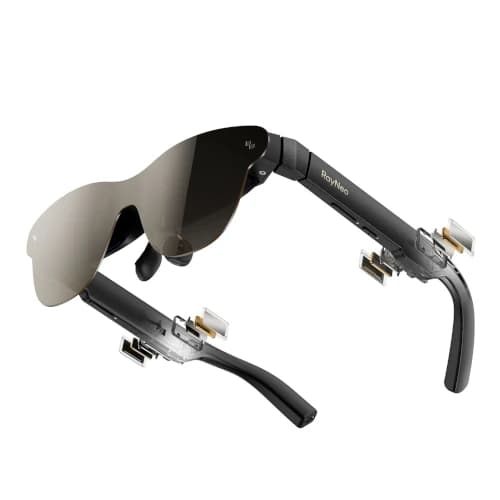
RayNeo Air 4 Pro is the picture-quality value pick for movie fans who want a sharp current-generation panel, HDR support, strong brightness, and tuned open-ear audio below flagship pricing.

Its narrower field of view gives up some cinematic scale but keeps the image concentrated near the optical center, where subtitles and interface details are easiest to see.

Value
Great value
Rating
4.2/5
Reviews
82

Summary

Our verdict

The bottom line, who it fits, and where to think twice before you scroll the full review.

Verdict

Buy RayNeo Air 4 Pro if HDR compatibility, color, and centered image clarity matter more than owning the widest virtual screen. It offers a strong movie-first feature set at a midrange cost.

Skip it if you want a volume-proven product or maximum immersion. Its owner base is still small, and competing models create a visibly broader presentation.

Best for

HDR movie viewers, travelers who value sharp centered images, casual handheld gamers, and buyers who want premium picture processing without paying flagship prices.

Watch outs

Buyers seeking a wall-filling field of view, shoppers who require a large long-term review base, or users invested in a different brand's adapter ecosystem.

Long read

Detailed review

Hands-on context, what daily ownership feels like, and where this pick lands against rivals.

Editor's take

A RayNeo Air 4 Pro review should not pretend the moderate field of view is the largest experience in the category. The product instead concentrates on image quality inside a smaller frame. Its 1080p-per-eye panel, HDR10 compatibility, 1200-nit brightness claim, and image processing target movie viewers who prefer color and contrast to maximum scale.

The moderate image can be easier to use than an ultra-wide display. Subtitles and game interface corners sit closer to the center, reducing eye movement and making optical alignment less punishing. Buyers who have struggled with blurry edges on wide display glasses may find this presentation more consistent.

HDR support requires realistic expectations. The source device, streaming app, content license, cable path, and display mode all need to preserve the signal. When the chain works, highlights and dark scenes gain more separation. When it does not, the glasses still provide a strong standard-range OLED picture rather than failing to play the content.

High-refresh output gives the Air 4 Pro enough gaming ability to serve as more than a movie accessory. Handheld PCs can connect directly when their USB-C port carries video, and lighter games can benefit from smoother motion. The narrower view is useful for interface-heavy games because maps and status indicators stay easy to see.

The tuned open-ear audio emphasizes clear dialogue and upper detail. It is convenient in a hotel or home where awareness matters, but bass remains limited and high volume can leak. Bluetooth earbuds connected to the source remain the better choice for flights and shared bedrooms.

RayNeo's accessory story deserves checking before checkout. Direct USB-C devices are simple, while HDMI consoles and unsupported phones need active conversion. Compare the current support list with the exact source model and include adapter power requirements in the budget.

The RayNeo Air 4 Pro verdict carries normal early-product caution because its owner-feedback base remains limited. The product earns a place through its distinct HDR value and current display hardware, not through years of proven ownership. Conservative buyers should wait for a sale or choose a more established model.
HDR and Picture Quality

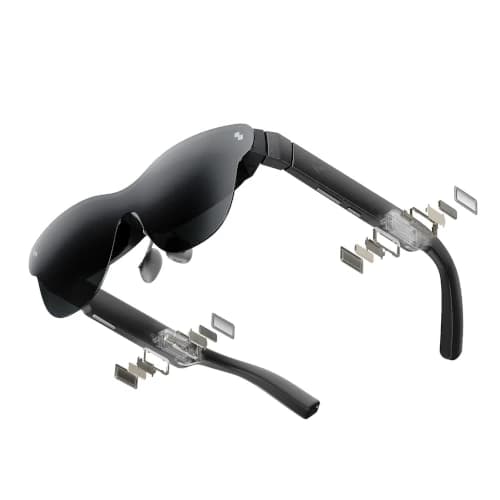
The product prioritizes color and clarity over maximum visual width.

Compatible HDR content can show stronger separation between bright highlights and dark scenes. The playback chain must preserve HDR from the source through the output mode.

Even in standard range, the sharp OLED image remains the main reason to choose this model over cheaper glasses.

The Narrower Field of View

Less scale can mean easier edge visibility.

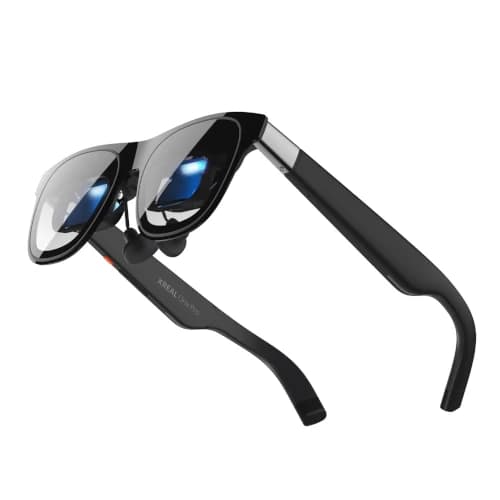
The image does not feel as large as premium flagships, but subtitles and game interfaces remain closer to the center of vision.

This can reduce alignment frustration for buyers whose face shape makes very wide optics difficult to position.

Early-Owner Considerations

The feature set is current, while long-term feedback is still developing.

Test every connection, display mode, and a complete movie during the return period. New products can expose firmware or compatibility issues after short demos.

A strong sale improves the risk calculation. Buyers who want maximum proof should choose a model with a larger established review base.

Specs & features

At a glance

The quick facts and the headline features that actually matter day to day.

Quick facts

Best Pick
Best HDR Value
User Rating
4.2/5 from 82 reviews
Best For
HDR movie viewers, travelers who value sharp centered images, casual handheld gamers, and buyers who want premium picture processing without paying flagship prices.

Key features

  • 1080p-per-eye OLED display with HDR10 support
  • 120Hz refresh rate for compatible gaming devices
  • 46-degree field of view and up to 1200-nit claimed brightness
  • Vision 4000 image processor
  • Bang & Olufsen-tuned open-ear audio

Trade-offs

Pros and cons

The honest highs and lows we'd flag to a friend asking which to buy.

What we like

  • HDR support at a lower price than premium flagships
  • Sharp center image and strong color for movies
  • Good dialogue clarity from the open-ear speakers
  • 120Hz covers serious handheld gaming needs

Watch out for

  • 46-degree view feels smaller than the 52-to-58-degree flagships
  • New model has a limited Amazon review history
  • Less mature accessory ecosystem than VITURE

Side by side

How it compares

A quick look at the other picks in this guide and where each one wins.

Our process

How we evaluate products

What goes into every recommendation, so you know the rating is more than a spec sheet.

Real buyer feedback

We combine marketplace review signals with the strengths and drawbacks documented inside the original buying guide.

US-focused advice

Recommendations are framed for American homes, pricing realities, and ownership expectations relevant to the US market.

Value analysis

We look at positioning, compromises, and the quality of the product's feature mix instead of just headline specs.

Contextual comparisons

Every review stays connected to the rest of the shortlist, so buyers can move from one product page to its alternatives without losing context.

Buyer questions

Frequently asked questions

Real questions buyers ask before clicking buy.

Does RayNeo Air 4 Pro support HDR movies?

Yes, it supports HDR10, but the source device, app, content, and output path must also preserve HDR for the full effect.

Is RayNeo Air 4 Pro good for gaming?

Yes. Its high-refresh output and sharp image work well with compatible handhelds and computers, especially for interface-heavy games.

Why is its field of view smaller?

The design prioritizes a concentrated sharp image rather than maximum scale. Some users find the smaller frame easier for subtitles and edge clarity.

Does RayNeo Air 4 Pro need a battery?

The glasses draw power from the connected source or adapter. They do not rely on a large self-contained headset battery.

Keep exploring

Discussion

Be the first to comment

Have a question or experience to share? Scroll down to leave a comment.