Editor's take
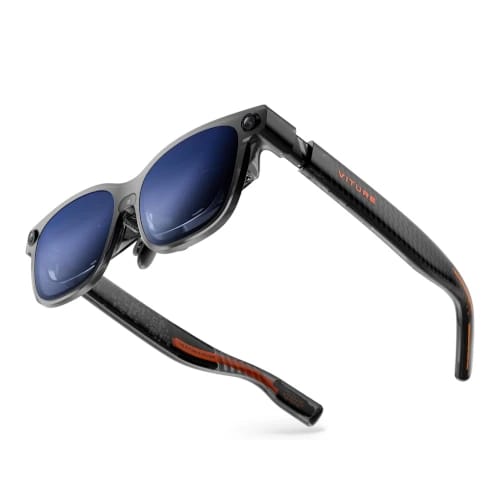
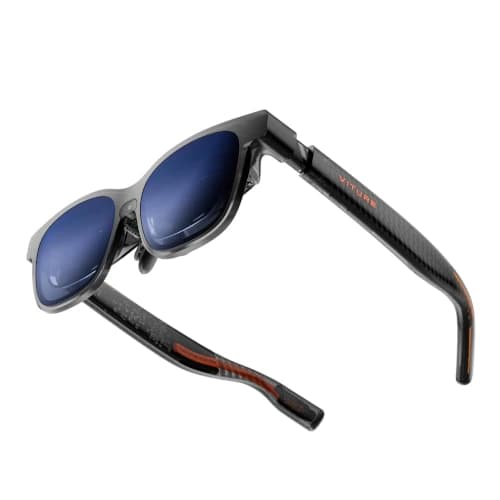
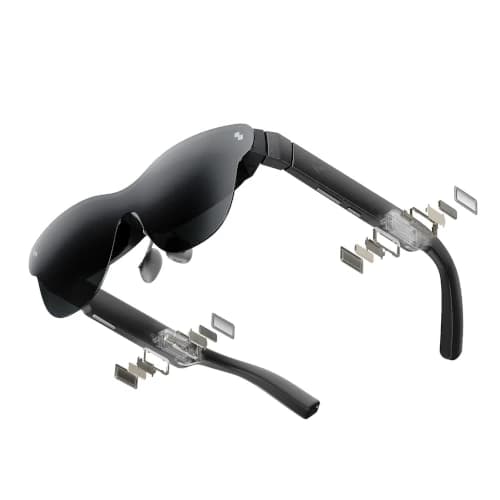
A VITURE Luma Ultra review must separate hardware potential from software reality. Cameras and sensors can support movement through space rather than rotation alone, creating a path toward interfaces that respond when the user leans, steps, or examines a virtual object. That capability matters only when compatible software uses it well.
The premium display prevents the product from becoming a single-purpose development tool. Movies, handheld games, and laptop mirroring benefit from the sharp panel, moderate-wide field of view, and high-refresh mode. Buyers can use it as an ordinary wearable monitor while testing spatial applications, although that alone does not justify the full price.
Myopia adjustment and electronic dimming improve everyday ownership. Nearsighted users within the supported range can focus each eye, and variable lens tint helps the display move between bright rooms and dark cabins. Astigmatism and complex prescriptions still need a dedicated insert.
The camera hardware creates a social and privacy responsibility. People in offices, airplanes, and homes may not know whether a face-worn camera is active. Owners should communicate clearly, avoid inappropriate spaces, review app permissions, and disable access that a feature does not require.
Developers should check the current software development kit, supported operating systems, device requirements, and distribution path before buying. Sensor hardware does not guarantee that a preferred engine, laptop, or mobile platform can access every tracking feature. Platform documentation can change faster than the physical product.
The small owner-feedback base adds early-adopter risk. Test tracking, display modes, cameras, and every source device during the return window. Firmware maturity matters more here than on a simple monitor because several sensors, permissions, and software layers must cooperate.
The VITURE Luma Ultra verdict is deliberately narrow. It is the most interesting product for spatial experimentation and the least sensible purchase for ordinary Netflix viewing. Buyers who can describe the 6DoF project they want to run have a reason to choose it. Everyone else should buy a simpler Luma model and put the savings toward adapters, prescription lenses, audio, or a better source device for reliable daily entertainment at home.
Discussion
Be the first to comment